Taylorstown Historic District (Boundary Increase)

Why it's listed
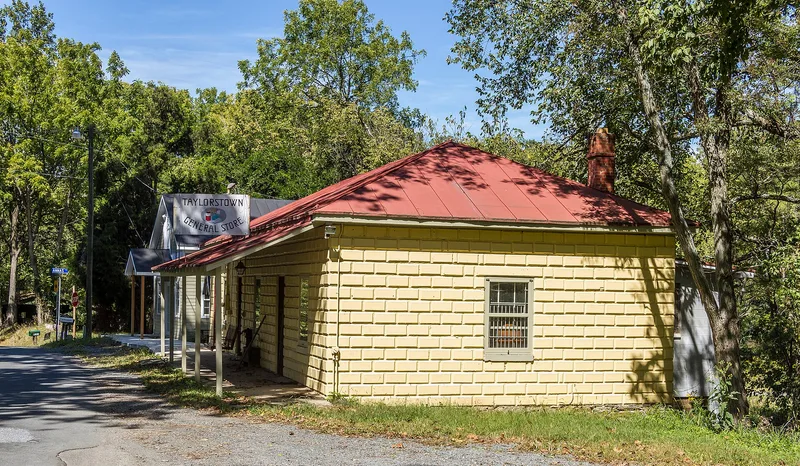
Taylorstown is a small rural hamlet straddling Catoctin Creek in northern Loudoun County, about two miles from the Potomac River. This boundary increase adds just over eighteen acres and five properties to the existing historic district, bringing it to roughly seventy-nine acres. The properties are houses at 12995 Hoysville Road (circa 1790), 12969 Taylorstown Road (circa 1800, later altered in Gothic Revival style), 13090 Taylorstown Road (circa 1860), 13122 Furnace Mountain Road (circa 1880) and 13000 Hoysville Road (1988, noncontributing). Associated outbuildings include sheds, stables, a corncrib, a barn, a stone well and chicken houses. The two earliest houses west of the creek were built when Thomas Taylor was dividing his land around the mill into small lots, an early planned development from which the village took its name. The added resources share the social and architectural history of the original district and retain sufficient integrity to justify the expansion.
Machine-generated summary. This summary was generated by a language model from the official nomination document and has not been reviewed line by line by an editor. It may contain errors. Check the source document before relying on any detail. Source: nomination document (PDF) · catalog entry. Generated October 2026 (model claude-sonnet-5-5, prompt v1.0-2026-10-29).
| Styles | Gothic Revival; I-house; other vernacular wood-frame dwellings |
|---|---|
| Areas of significance | Architecture |
| Acreage | 18.1 |
| Boundary source | NPS cultural-resource GIS polygon |
| Full listing page | Taylorstown Historic District (Boundary Increase) (property record) |
What listing means for this property
This is a historic district. Buildings within its boundary are either contributing (they add to the district's significance) or non-contributing. Owners of contributing income-producing buildings can claim the 20% federal rehabilitation tax credit; homeowners should look at state credits. National Register districts impose no design review by themselves; a local historic district ordinance, if one exists, does (the difference explained).
General information, not legal or tax advice. Rules change; confirm with your State Historic Preservation Office or a qualified adviser.