Sunnydale Farm

Why it's listed
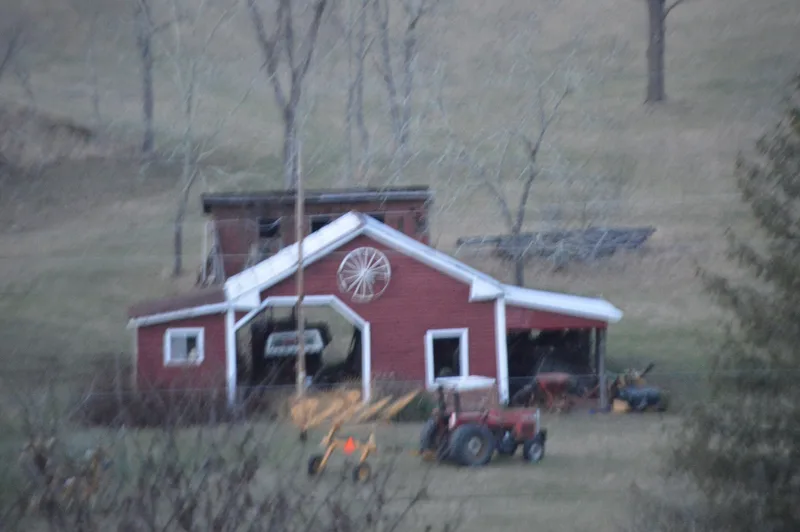
Sunnydale Farm is a hillside farm of about forty acres in northern Wise County, Virginia, watered by Mill Branch. Its main building is a story-and-a-half Craftsman bungalow built about 1919 for Mary Branham by her son Chant Kelly, with a stone foundation, an engaged porch with arched spans and later additions from the late 1940s and 1950s. Nearby are a blacksmith shop, chicken house, stone well, root cellar ruins, a family cemetery with graves dating from 1903, the stone chimney of a log tenant house, a complex of stone piles and the remains of coal mine openings and a tipple. The farm began about 1846 with Martin Branham. Chant Kelly later became a leading figure in the nearby town of Pound, providing electric, telephone and fire protection services, and developed the family coal workings commercially in the 1950s. The property was recognized for its community development, architecture and industry between about 1846 and 1960.
Machine-generated summary. This summary was generated by a language model from the official nomination document and has not been reviewed line by line by an editor. It may contain errors. Check the source document before relying on any detail. Source: nomination document (PDF) · catalog entry. Generated October 2026 (model claude-sonnet-5-5, prompt v1.0-2026-10-29).
| Period of significance | Ca. 1846-1960 |
|---|---|
| Styles | Craftsman |
| Areas of significance | Architecture, Community Planning and Development, Industry |
| Acreage | 40 |
| Boundary source | NPS cultural-resource GIS polygon |
| Full listing page | Sunnydale Farm (property record) |
What listing means for this property
This is a historic district. Buildings within its boundary are either contributing (they add to the district's significance) or non-contributing. Owners of contributing income-producing buildings can claim the 20% federal rehabilitation tax credit; homeowners should look at state credits. National Register districts impose no design review by themselves; a local historic district ordinance, if one exists, does (the difference explained).
General information, not legal or tax advice. Rules change; confirm with your State Historic Preservation Office or a qualified adviser.