Sumerduck Historic District

Why it's listed
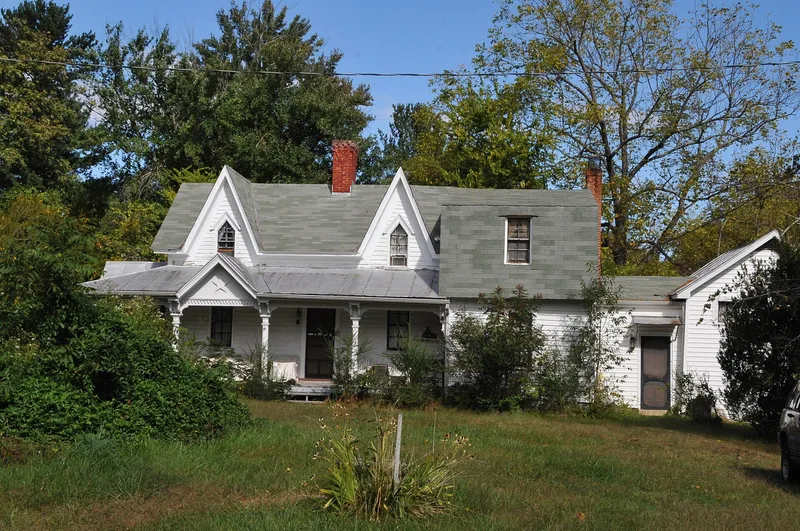
Sumerduck is a small crossroads village in southwest Fauquier County, Virginia, where Sumerduck Road meets Union Church Road. The historic district stretches roughly a third of a mile along the road and holds frame dwellings, two churches, a former school, and two stores built between about 1882 and about 1950. Most houses are vernacular, some with Folk Victorian or Colonial Revival detailing, and the ca. 1885 Henry Broadus Jones House is a Gothic Revival dwelling with steep gables and a wraparound porch. Jones and his family built many of the village's structures, including a store that served as a post office and a Republican Party meeting hall. The 1887 school and two Baptist churches, dating from about 1898 and 1915, reflect community life. Modern building has mostly occurred south of the district, so the village retains a high level of architectural integrity. It was recognized for its architecture and its role as a rural center of social and economic activity.
Machine-generated summary. This summary was generated by a language model from the official nomination document and has not been reviewed line by line by an editor. It may contain errors. Check the source document before relying on any detail. Source: nomination document (PDF) · catalog entry. Generated October 2026 (model claude-sonnet-5-5, prompt v1.0-2026-10-29).
| Period of significance | circa 1882-circa 1950 |
|---|---|
| Styles | Late 19th Century and Early 20th Century Revivals: Gothic Revival; Other: Vernacular |
| Areas of significance | Architecture, Social History |
| Acreage | 35 |
| Boundary source | NPS cultural-resource GIS polygon |
| Full listing page | Sumerduck Historic District (property record) |
What listing means for this property
This is a historic district. Buildings within its boundary are either contributing (they add to the district's significance) or non-contributing. Owners of contributing income-producing buildings can claim the 20% federal rehabilitation tax credit; homeowners should look at state credits. National Register districts impose no design review by themselves; a local historic district ordinance, if one exists, does (the difference explained).
General information, not legal or tax advice. Rules change; confirm with your State Historic Preservation Office or a qualified adviser.