Suffolk Historic District (Boundary Increase)

Why it's listed
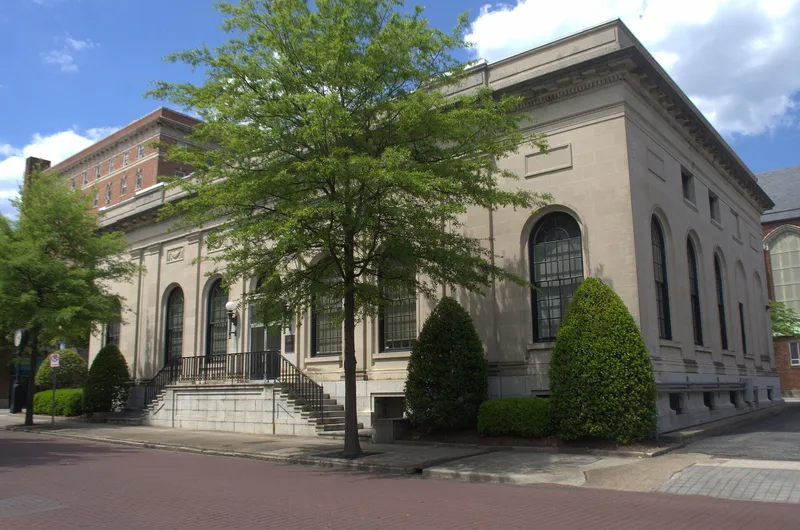
This 23.5-acre addition to Suffolk's historic district follows North Main Street north from the old railroad station to Constance Road and the former Nansemond County Courthouse, with a short stretch of Mahan Street. It holds about 40 buildings, most of them small to mid-sized houses. Fires in 1779 and 1837 destroyed earlier construction, so only one house, the Old Post Office of about 1785, predates the 1830s. Federal-style frame houses from that decade stand beside two brick Greek Revival landmarks, the courthouse and Riddick's Folly, both built around 1839. During the Civil War the Riddick House served as Union headquarters through the 1863 Siege of Suffolk. Later Italianate, Queen Anne and Colonial Revival houses reflect rebuilding from the 1880s onward. Many former homes now serve as offices or a restaurant, and Riddick's Folly operates as a museum. War memorials line Mahan Street toward Cedar Hill Cemetery. The riverfront site of Constant's Wharf was left out because it has been cleared and redeveloped.
Machine-generated summary. This summary was generated by a language model from the official nomination document and has not been reviewed line by line by an editor. It may contain errors. Check the source document before relying on any detail. Source: nomination document (PDF) · catalog entry. Generated October 2026 (model claude-sonnet-5-5, prompt v1.0-2026-10-29).
| Styles | Federal, Greek Revival, Italianate, Queen Anne, Colonial Revival, Bungalow/Craftsman |
|---|---|
| Areas of significance | Architecture, Politics/Government, Social History, Military |
| Acreage | 23.5 |
| Boundary source | NPS cultural-resource GIS polygon |
| Full listing page | Suffolk Historic District (Boundary Increase) (property record) |
What listing means for this property
This is a historic district. Buildings within its boundary are either contributing (they add to the district's significance) or non-contributing. Owners of contributing income-producing buildings can claim the 20% federal rehabilitation tax credit; homeowners should look at state credits. National Register districts impose no design review by themselves; a local historic district ordinance, if one exists, does (the difference explained).
General information, not legal or tax advice. Rules change; confirm with your State Historic Preservation Office or a qualified adviser.