Southwest Mountains Rural Historic District

Why it's listed
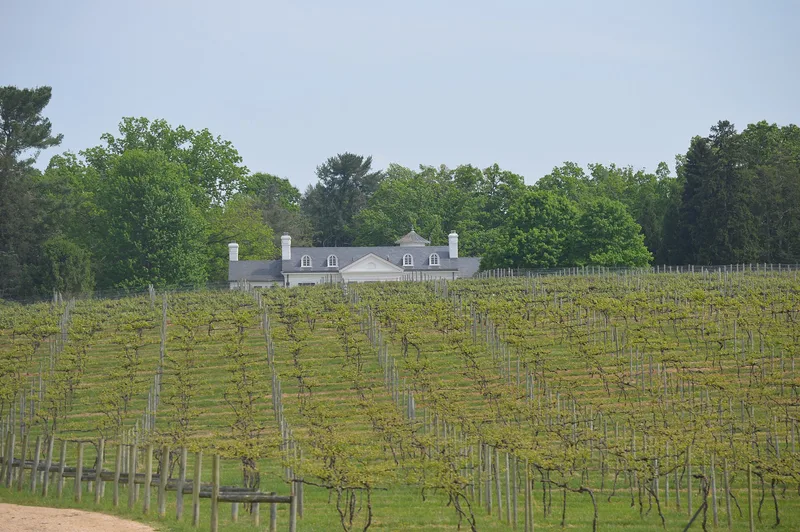
Spread across about 31,975 acres of northeastern Albemarle County, this rural district follows the Southwest Mountains, a small range roughly twenty miles east of the Blue Ridge. Farms, woodlands, pastures and the hamlets of Cismont, Cobham, Keswick, Lindsay and Stony Point make up the landscape, along with several small rural black settlements founded after the Civil War. Early settlers from Tidewater Virginia established tobacco plantations here. Surviving buildings include 109 domestic complexes, eleven churches, sixteen commercial buildings, two railroad depots and sixteen cemeteries. Federal and Greek Revival mansions such as Castle Hill and Edgehill are the best known, yet most contributing buildings follow a vernacular tradition, often I-houses and one-and-a-half-story frame dwellings. Grace Episcopal Church at Cismont, designed by Philadelphia architect William Strickland, is the most stylish nineteenth-century building. Recent houses and farm buildings are largely noncontributing, and the district keeps open views and an agricultural character close to Charlottesville.
Machine-generated summary. This summary was generated by a language model from the official nomination document and has not been reviewed line by line by an editor. It may contain errors. Check the source document before relying on any detail. Source: nomination document (PDF) · catalog entry. Generated October 2026 (model claude-sonnet-5-5, prompt v1.0-2026-10-29).
| Styles | Vernacular, with Georgian, Federal, Greek Revival, Gothic Revival, Italianate, Queen Anne, Colonial Revival, Tudor Revival, Bungalow/Craftsman, I House and Foursquare |
|---|---|
| Areas of significance | Landscape Architecture, Agriculture, Transportation, Architecture |
| Acreage | 31975 |
| Boundary source | NPS cultural-resource GIS polygon |
| Full listing page | Southwest Mountains Rural Historic District (property record) |
What listing means for this property
This is a historic district. Buildings within its boundary are either contributing (they add to the district's significance) or non-contributing. Owners of contributing income-producing buildings can claim the 20% federal rehabilitation tax credit; homeowners should look at state credits. National Register districts impose no design review by themselves; a local historic district ordinance, if one exists, does (the difference explained).
General information, not legal or tax advice. Rules change; confirm with your State Historic Preservation Office or a qualified adviser.