Skyline Drive Historic District (Boundary Increase)

Why it's listed
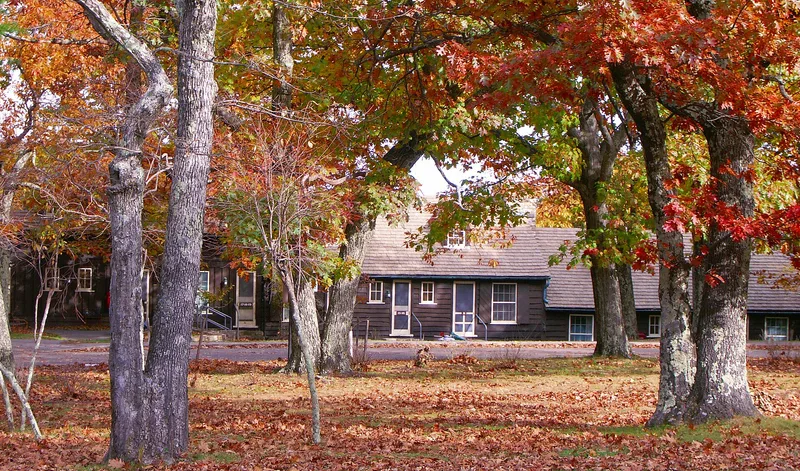
Three areas of Shenandoah National Park in Virginia make up this addition to the Skyline Drive Historic District: Skyland, Lewis Mountain, and Big Meadows. Skyland began as a nineteenth-century mountain resort under developer George Freeman Pollock, and keeps rustic cabins built from local vernacular traditions, including Massanutten Lodge, designed by Washington architect Victor Mindeleff in 1911. Lewis Mountain was developed in the late 1930s as a segregated recreation and campground facility for African Americans, with a lodge and cabins designed by Marcellus Wright, Jr., and roads, trails and utilities built by the Civilian Conservation Corps. Big Meadows, the park's largest open space, hosted an early CCC camp and sits beside Rapidan Road, which led to President Herbert Hoover's retreat at Camp Rapidan. The areas were recognized for their politics and government, architecture, recreation and landscape architecture associations between 1890 and 1952. They still serve park visitors for lodging, dining and outdoor recreation.
Machine-generated summary. This summary was generated by a language model from the official nomination document and has not been reviewed line by line by an editor. It may contain errors. Check the source document before relying on any detail. Source: nomination document (PDF) · catalog entry. Generated October 2026 (model claude-sonnet-5-5, prompt v1.0-2026-10-29).
| Period of significance | 1890-1952 |
|---|---|
| Styles | Other: National Park Service Rustic Architecture |
| Areas of significance | Politics/Government, Architecture, Landscape Architecture, Entertainment/Recreation |
| Acreage | 450 |
| Boundary source | NPS cultural-resource GIS polygon |
| Full listing page | Skyline Drive Historic District (Boundary Increase) (property record) |
What listing means for this property
This is a historic district. Buildings within its boundary are either contributing (they add to the district's significance) or non-contributing. Owners of contributing income-producing buildings can claim the 20% federal rehabilitation tax credit; homeowners should look at state credits. National Register districts impose no design review by themselves; a local historic district ordinance, if one exists, does (the difference explained).
General information, not legal or tax advice. Rules change; confirm with your State Historic Preservation Office or a qualified adviser.