Rosemont Historic District

Why it's listed
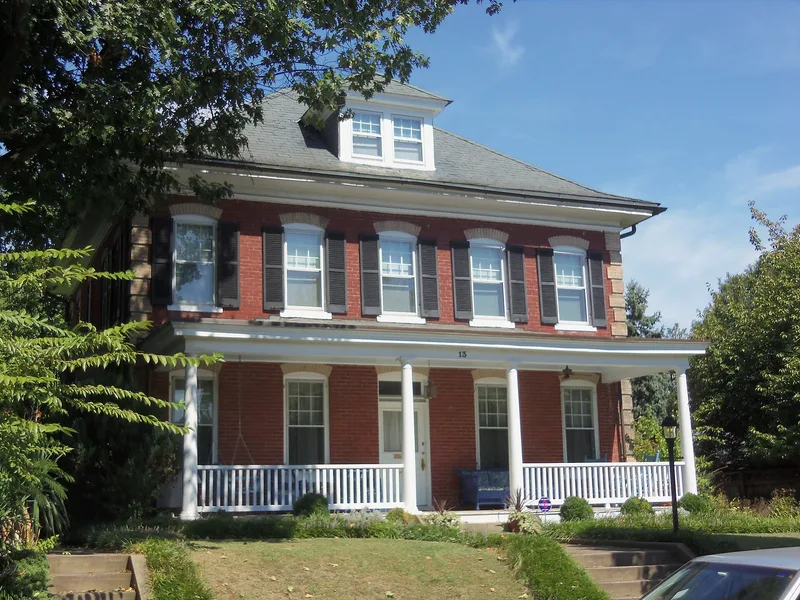
Rosemont is an 84-acre residential neighborhood northwest of Alexandria's Old and Historic District, developed mostly between 1908 and 1940 as trolley lines pushed into the suburbs of Washington, D.C. Bounded by a railroad line, Commonwealth Avenue and King Street, it holds 456 contributing buildings, mainly single-family houses, small apartment buildings, an elementary school, a commercial building and many private garages. Colonial Revival houses predominate, alongside Arts and Crafts and Craftsman bungalows, foursquares and homesteads. Architects such as David Knickerbacker Boyd, Milton Dana Morrill, Waddy Butler Wood, William I. Deming and Speiden and Speiden designed some of the houses, though most were built by local builders working in popular styles. A group of thirty hollow-tile houses and their garages forms the Rucker-Johnston Subdivision. The neighborhood has kept its street patterns, landscaping and scale with few intrusions, and it has no churches and very few commercial buildings. Its cohesive design and intact suburban character are the basis for its listing.
Machine-generated summary. This summary was generated by a language model from the official nomination document and has not been reviewed line by line by an editor. It may contain errors. Check the source document before relying on any detail. Source: nomination document (PDF) · catalog entry. Generated October 2026 (model claude-sonnet-5-5, prompt v1.0-2026-10-29).
| Styles | Late 19th and 20th Century Revivals: Colonial Revival; Late 19th and Early 20th Century Movements: Bungalow/Craftsman |
|---|---|
| Areas of significance | Community Planning and Development, Transportation, Architecture |
| Acreage | 84 |
| Boundary source | NPS cultural-resource GIS polygon |
| Full listing page | Rosemont Historic District (property record) |
What listing means for this property
This is a historic district. Buildings within its boundary are either contributing (they add to the district's significance) or non-contributing. Owners of contributing income-producing buildings can claim the 20% federal rehabilitation tax credit; homeowners should look at state credits. National Register districts impose no design review by themselves; a local historic district ordinance, if one exists, does (the difference explained).
General information, not legal or tax advice. Rules change; confirm with your State Historic Preservation Office or a qualified adviser.