Roanoke City Market Historic District

Why it's listed
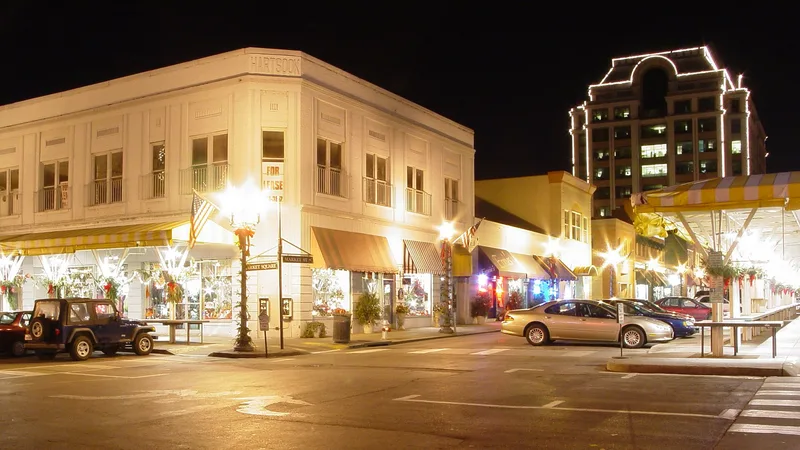
Roanoke's City Market district is a six-block downtown area of more than sixty buildings, most of them brick commercial structures of one to three stories. At its center is the 1922 Georgian Revival City Market Building, which replaced Roanoke's first market building of 1886 on the same site. Its ground floor held meat dealers' stalls and its upper floor a meeting hall, while farmers have long sold produce in the surrounding streets. Around the square are buildings in Italianate, Romanesque, Beaux Arts, Georgian Revival and Art Deco styles, including the 1906 Fire Station No. 1, the 1909 Lampros Building, the 1914 McGuire Building and a 1946 Art Deco market with a carrara glass front. The district was listed because it served as the main marketplace for Roanoke and a six-county region for over a century, and because its materials and scale remain cohesive. The city has designated it a local historic district and is pursuing rehabilitation projects there.
Machine-generated summary. This summary was generated by a language model from the official nomination document and has not been reviewed line by line by an editor. It may contain errors. Check the source document before relying on any detail. Source: nomination document (PDF) · catalog entry. Generated October 2026 (model claude-sonnet-5-5, prompt v1.0-2026-10-29).
| Period of significance | 1800-1899 and 1900- (specific dates not stated) |
|---|---|
| Styles | Mixed commercial styles: Italianate, Romantic Revival, Richardsonian Romanesque, Beaux Arts Classicism, Georgian Revival and Art Deco |
| Areas of significance | Commerce, Architecture |
| Acreage | 16 |
| Boundary source | NPS cultural-resource GIS polygon |
| Full listing page | Roanoke City Market Historic District (property record) |
What listing means for this property
This is a historic district. Buildings within its boundary are either contributing (they add to the district's significance) or non-contributing. Owners of contributing income-producing buildings can claim the 20% federal rehabilitation tax credit; homeowners should look at state credits. National Register districts impose no design review by themselves; a local historic district ordinance, if one exists, does (the difference explained).
General information, not legal or tax advice. Rules change; confirm with your State Historic Preservation Office or a qualified adviser.