Redwell-Isabella Furnace Historic District

The National Park Service has not published a boundary polygon for this district; the map shows the listed properties inside it and the district's reference point.
Why it's listed
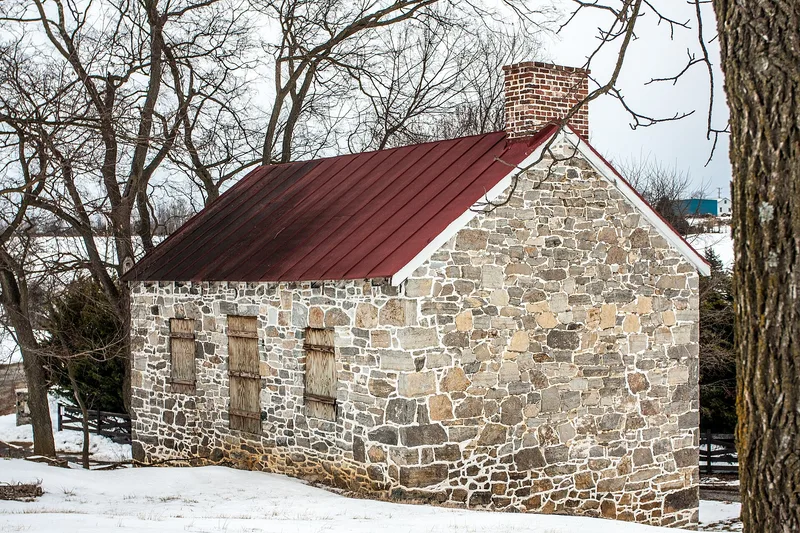
Just north of Luray, on the west bank of Hawksbill Creek, a nine-acre district preserves what remains of Page County's oldest iron furnace complex. Redwell Furnace was apparently established in 1787 by Derrick Pennybacker and later became known as Isabella Furnace, operating until the 1840s. A forge, flour mill and woolen mill followed, and industrial activity continued until the woolen mill burned in 1880. The surviving resources include two stone buildings from about 1800: the Isabella Furnace Office, with Georgian interior detail, and the Yager Spring House, a former dormitory-type dwelling with a large cooking fireplace. Also included are a cemetery, a stone foundation, the furnace bridge mound and Yager Spring, which powered the furnace and later mills. The district was listed for its role in the county's iron, milling and woolen industries and for its rare furnace-related buildings. No archaeological survey has been done, though further research could yield additional resources.
Machine-generated summary. This summary was generated by a language model from the official nomination document and has not been reviewed line by line by an editor. It may contain errors. Check the source document before relying on any detail. Source: nomination document (PDF) · catalog entry. Generated October 2026 (model claude-sonnet-5-5, prompt v1.0-2026-10-29).
| Period of significance | 1787-1880 |
|---|---|
| Styles | Georgian |
| Areas of significance | Industry, Architecture |
| Acreage | 9 |
| Boundary source | not published |
| Full listing page | Redwell-Isabella Furnace Historic District (property record) |
What listing means for this property
This is a historic district. Buildings within its boundary are either contributing (they add to the district's significance) or non-contributing. Owners of contributing income-producing buildings can claim the 20% federal rehabilitation tax credit; homeowners should look at state credits. National Register districts impose no design review by themselves; a local historic district ordinance, if one exists, does (the difference explained).
General information, not legal or tax advice. Rules change; confirm with your State Historic Preservation Office or a qualified adviser.