Pulaski South Historic Residential and Industrial District

Why it's listed
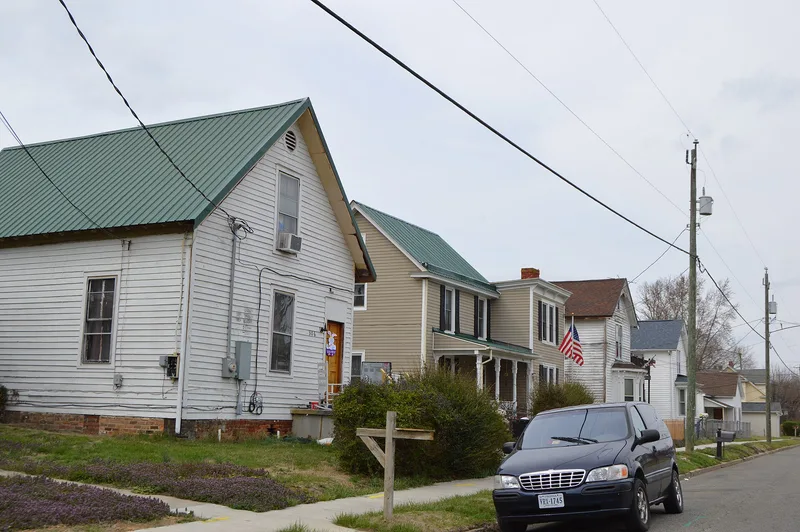
South of Peak Creek in Pulaski, Virginia, this district covers the town's earliest settled area along Valley Street and the residential streets that grew around it. It includes 307 contributing buildings, most of them houses from the late nineteenth and early twentieth centuries. Many follow vernacular plans such as the T-plan and center-passage house, some with Queen Anne decoration, while later streets add bungalows, foursquares and a few Colonial Revival and Tudor Revival homes. At the western end stand the office, commissary and worker housing of the Bertha Zinc and Mineral Company, Pulaski's first large industry. The attached six-unit brick rowhouses on State Street are unusual for Virginia company towns and may reflect the Welsh background of the plant's first manager and early workers. The plant itself is excluded because of continual change. Other buildings include the 1924 Jefferson School and a former Episcopal chapel from about 1880. Together they show how Pulaski developed as an industrial community.
Machine-generated summary. This summary was generated by a language model from the official nomination document and has not been reviewed line by line by an editor. It may contain errors. Check the source document before relying on any detail. Source: nomination document (PDF) · catalog entry. Generated October 2026 (model claude-sonnet-5-5, prompt v1.0-2026-10-29).
| Styles | Late Victorian (Gothic, Queen Anne); Late 19th and 20th Century Revivals (Colonial Revival); also vernacular T-plan and center-passage houses and Bungalows |
|---|---|
| Areas of significance | Industry, Architecture |
| Acreage | 112 |
| Boundary source | NPS cultural-resource GIS polygon |
| Full listing page | Pulaski South Historic Residential and Industrial District (property record) |
What listing means for this property
This is a historic district. Buildings within its boundary are either contributing (they add to the district's significance) or non-contributing. Owners of contributing income-producing buildings can claim the 20% federal rehabilitation tax credit; homeowners should look at state credits. National Register districts impose no design review by themselves; a local historic district ordinance, if one exists, does (the difference explained).
General information, not legal or tax advice. Rules change; confirm with your State Historic Preservation Office or a qualified adviser.