Port Royal Historic District (Additional Documentation)

Why it's listed
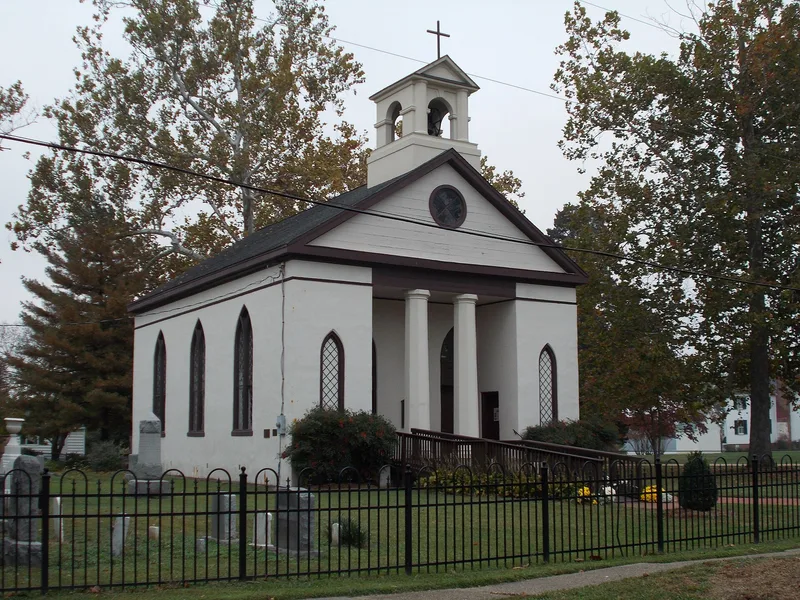
Port Royal is a small town on the Rappahannock River in Caroline County, Virginia, laid out on a grid of about a dozen blocks with eight principal streets. The Virginia Council established it in 1744, and Richard Taliaferro surveyed the site. Settled largely by Scots, it grew around an older tobacco warehouse and prospered in the eighteenth century through direct tobacco trade with England. Its merchants formed a guild in 1745, one of the earliest chambers of commerce in America. Railroads later drew commerce away, and the town became a quiet residential community. About thirty-five structures of architectural or historic interest remain, nearly all from the eighteenth or early nineteenth century. They include Fox's Tavern, the Masonic Hall, the Hipkins-Carr House, the Gray House, and St. Peter's Episcopal Church. The town is valued because it still lies within its original boundaries and keeps its early appearance with few modern intrusions, though several key buildings are vacant or in poor repair.
Machine-generated summary. This summary was generated by a language model from the official nomination document and has not been reviewed line by line by an editor. It may contain errors. Check the source document before relying on any detail. Source: nomination document (PDF) · catalog entry. Generated October 2026 (model claude-sonnet-5-5, prompt v1.0-2026-10-29).
| Areas of significance | Community Planning and Development, Commerce, Architecture, Social History |
|---|---|
| Acreage | 200 |
| Boundary source | NPS cultural-resource GIS polygon |
| Full listing page | Port Royal Historic District (Additional Documentation) (property record) |
What listing means for this property
This is a historic district. Buildings within its boundary are either contributing (they add to the district's significance) or non-contributing. Owners of contributing income-producing buildings can claim the 20% federal rehabilitation tax credit; homeowners should look at state credits. National Register districts impose no design review by themselves; a local historic district ordinance, if one exists, does (the difference explained).
General information, not legal or tax advice. Rules change; confirm with your State Historic Preservation Office or a qualified adviser.