Pocahontas Mine No. 1

Why it's listed
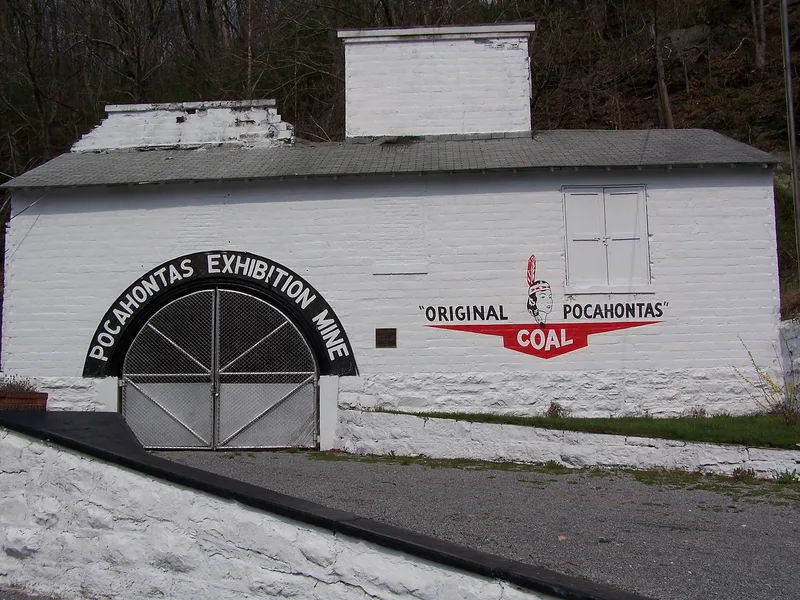
Pocahontas Mine No. 1, also called the Baby Mine, is a former coal mine in the town of Pocahontas, Virginia, less than a mile from the West Virginia line. Three resources remain: the mine opening with its brick archway, a ca. 1900 fan house, and a ca. 1906 stone power house with a later bathhouse and the ruins of a steam generating plant. Opened in 1882 as the first commercial mine in the Pocahontas-Flat-Top coal field, it tapped an unusually thick seam of high-grade semi-bituminous coal. Its success led the Norfolk and Western Railroad to build a branch line to the town in 1883 and encouraged dozens of other mines within twelve years. Hundreds of beehive coke ovens once stood nearby, though only three ruined ovens remain. In 1938 the mine became the first exhibition coal mine in the United States, and more than one million people have toured it. The mine closed in 1955.
Machine-generated summary. This summary was generated by a language model from the official nomination document and has not been reviewed line by line by an editor. It may contain errors. Check the source document before relying on any detail. Source: nomination document (PDF) · catalog entry. Generated October 2026 (model claude-sonnet-5-5, prompt v1.0-2026-10-29).
| Period of significance | 1882-1943 |
|---|---|
| Styles | No Style |
| Areas of significance | Industry |
| Acreage | 9.9 |
| Boundary source | NPS cultural-resource GIS polygon |
| Full listing page | Pocahontas Mine No. 1 (property record) |
What listing means for this property
This is a historic district. Buildings within its boundary are either contributing (they add to the district's significance) or non-contributing. Owners of contributing income-producing buildings can claim the 20% federal rehabilitation tax credit; homeowners should look at state credits. National Register districts impose no design review by themselves; a local historic district ordinance, if one exists, does (the difference explained).
General information, not legal or tax advice. Rules change; confirm with your State Historic Preservation Office or a qualified adviser.