Paeonian Springs Historic District

Why it's listed
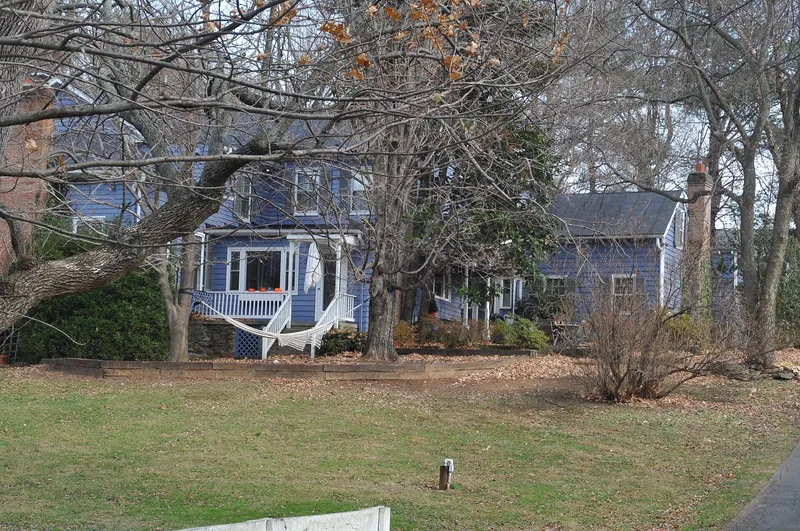
Paeonian Springs is a small village in western Loudoun County, Virginia, laid out in 1890 by the Paeonian Springs Company, led by Theodore and John Milton. The founders aimed to bottle and sell water from a natural spring promoted for its healing properties, shipping it by rail to Washington and drawing summer visitors. Roughly 180 lots were platted, though only a handful were built on. The community thrived for about thirty years before federal food and drug regulation and the automobile led to its decline. The district covers about 47 acres and includes 59 contributing resources, mostly dwellings dating from about 1880 to 1910. They range from vernacular I-houses and side-passage houses to Queen Anne, Gothic Revival, Colonial Revival, Tudor Revival and Craftsman examples. Surviving landmarks include the former bottling plant, two former boardinghouses, a former school and the public springhouse. The train station is gone, but the village retains its late-19th-century character and architectural integrity.
Machine-generated summary. This summary was generated by a language model from the official nomination document and has not been reviewed line by line by an editor. It may contain errors. Check the source document before relying on any detail. Source: nomination document (PDF) · catalog entry. Generated October 2026 (model claude-sonnet-5-5, prompt v1.0-2026-10-29).
| Period of significance | ca. 1880-1955 |
|---|---|
| Styles | Late Victorian (Queen Anne, Gothic Revival); Colonial Revival; Tudor Revival; Bungalow/Craftsman; I-house |
| Areas of significance | Architecture, Social History |
| Acreage | 47 |
| Boundary source | NPS cultural-resource GIS polygon |
| Full listing page | Paeonian Springs Historic District (property record) |
What listing means for this property
This is a historic district. Buildings within its boundary are either contributing (they add to the district's significance) or non-contributing. Owners of contributing income-producing buildings can claim the 20% federal rehabilitation tax credit; homeowners should look at state credits. National Register districts impose no design review by themselves; a local historic district ordinance, if one exists, does (the difference explained).
General information, not legal or tax advice. Rules change; confirm with your State Historic Preservation Office or a qualified adviser.