New Market Battlefield Park

Why it's listed
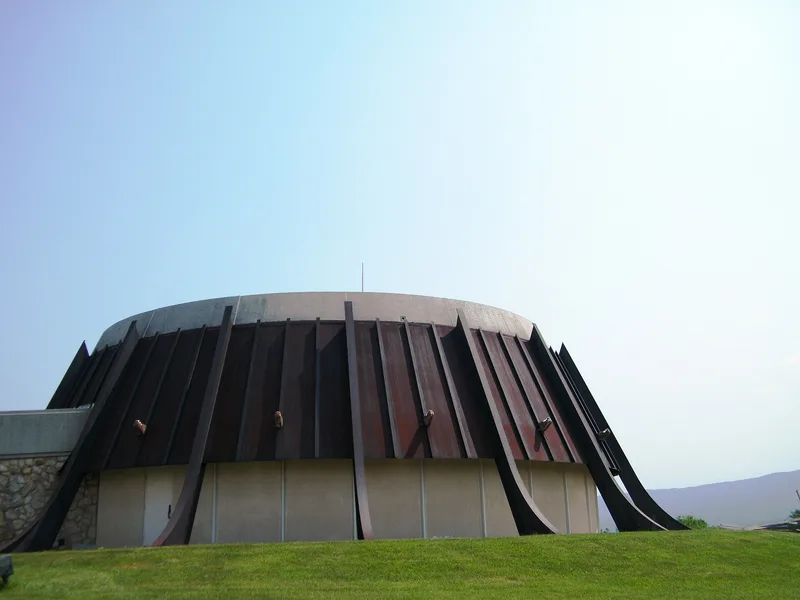
About 160 acres of rolling, mostly open farmland west of the Valley Pike near New Market, Virginia, preserve the ground where Confederate and Union forces fought on May 15, 1864. Trails cross the field and lead to the bluff where Federal cannon stood, and the Bushong House, used by both sides as a hospital, now serves as the visitor center. The battle came as Union Major General Franz Sigel advanced up the Shenandoah Valley toward Staunton as part of Grant's spring campaign. Confederate forces under John C. Breckinridge, including 247 Virginia Military Institute cadets, met and defeated him. It remains the only Civil War engagement in which cadets fought. Historian Douglas Southall Freeman argued that the victory protected the Virginia Central Railroad and kept the Valley from Federal occupation. George Collins, an institute graduate, bought most of the battlefield in 1944 and willed it to the school, which received it in 1964.
Machine-generated summary. This summary was generated by a language model from the official nomination document and has not been reviewed line by line by an editor. It may contain errors. Check the source document before relying on any detail. Source: nomination document (PDF) · catalog entry. Generated October 2026 (model claude-sonnet-5-5, prompt v1.0-2026-10-29).
| Period of significance | 1864 |
|---|---|
| Areas of significance | Military |
| Acreage | 160 |
| Boundary source | NPS cultural-resource GIS polygon |
| Full listing page | New Market Battlefield Park (property record) |
What listing means for this property
This is a historic district. Buildings within its boundary are either contributing (they add to the district's significance) or non-contributing. Owners of contributing income-producing buildings can claim the 20% federal rehabilitation tax credit; homeowners should look at state credits. National Register districts impose no design review by themselves; a local historic district ordinance, if one exists, does (the difference explained).
General information, not legal or tax advice. Rules change; confirm with your State Historic Preservation Office or a qualified adviser.