Lee Memorial Park

Why it's listed
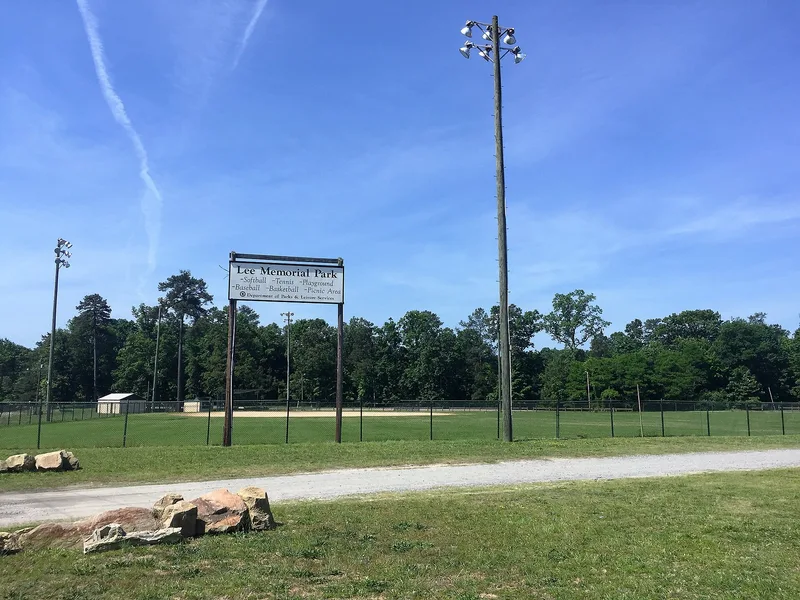
Lee Memorial Park covers about 300 acres along the southern edge of Petersburg, Virginia, wrapped around Willcox Lake, a reservoir created around 1895. The city set aside 462 acres in 1921 and developed roads, trails, a swimming area with bathhouse, picnic areas and ballfields. These facilities were segregated, and African Americans were excluded. During the Depression, the Petersburg Garden Club, led by Mrs. Donald Claiborne Holden, secured Works Progress Administration funding for a wildflower and bird sanctuary. From December 1935, crews of unemployed African-American women, working under white supervisors, cleared ravines, planted flowers, trees and shrubs, and cut trails across about 25 acres. Funding ended in 1940. The park also preserves a stretch of the Confederate Dimmock Line earthworks, which includes sites of Fort Walker and Battery Pegram. Contributing features include the superintendent's house, the bathhouse, the lake, the earthworks, the trail system and the sanctuary landscape. Portions were later sold for development.
Machine-generated summary. This summary was generated by a language model from the official nomination document and has not been reviewed line by line by an editor. It may contain errors. Check the source document before relying on any detail. Source: nomination document (PDF) · catalog entry. Generated October 2026 (model claude-sonnet-5-5, prompt v1.0-2026-10-29).
| Period of significance | 1921-1940 |
|---|---|
| Styles | Late 19th and Early 20th Century American Movements: Naturalistic Landscapes |
| Areas of significance | Community Planning and Development, Black, Landscape Architecture, Social History |
| Acreage | 300 |
| Boundary source | NPS cultural-resource GIS polygon |
| Full listing page | Lee Memorial Park (property record) |
What listing means for this property
This is a historic district. Buildings within its boundary are either contributing (they add to the district's significance) or non-contributing. Owners of contributing income-producing buildings can claim the 20% federal rehabilitation tax credit; homeowners should look at state credits. National Register districts impose no design review by themselves; a local historic district ordinance, if one exists, does (the difference explained).
General information, not legal or tax advice. Rules change; confirm with your State Historic Preservation Office or a qualified adviser.