Kinsale Historic District

Why it's listed
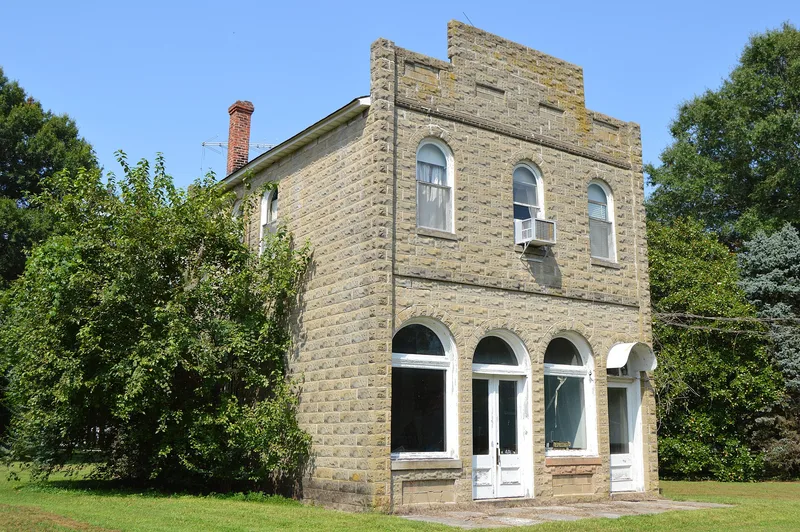
Kinsale is a small waterfront village in northeastern Westmoreland County, Virginia, where four creeks and rivers meet. The historic district covers about 113 acres and includes 66 contributing resources, mainly houses, outbuildings, a few commercial buildings and a cemetery. Established by the Virginia Assembly in 1784, the village prospered as a deepwater port, handling both schooner trade and steamboat service to Baltimore. Fires and wartime losses in 1812 and the Civil War removed most early buildings, so the surviving fabric is mostly from 1870 to the early 20th century. Only two antebellum houses remain, the Great House and the Little House, along with the Bailey Cemetery, where a midshipman killed in 1813 is buried. Typical buildings include I-houses, Queen Anne dwellings with projecting bays, American Foursquare houses and a former general store. Commercial activity ended with the closing of the last cannery in the early 1950s, and the grid street plan still reflects the village's early layout.
Machine-generated summary. This summary was generated by a language model from the official nomination document and has not been reviewed line by line by an editor. It may contain errors. Check the source document before relying on any detail. Source: nomination document (PDF) · catalog entry. Generated October 2026 (model claude-sonnet-5-5, prompt v1.0-2026-10-29).
| Period of significance | 1784-1954 |
|---|---|
| Styles | Federal, Late Victorian, Queen Anne, Bungalow/Craftsman, I-house |
| Areas of significance | Architecture, Commerce, Military |
| Acreage | 113 |
| Boundary source | NPS cultural-resource GIS polygon |
| Full listing page | Kinsale Historic District (property record) |
What listing means for this property
This is a historic district. Buildings within its boundary are either contributing (they add to the district's significance) or non-contributing. Owners of contributing income-producing buildings can claim the 20% federal rehabilitation tax credit; homeowners should look at state credits. National Register districts impose no design review by themselves; a local historic district ordinance, if one exists, does (the difference explained).
General information, not legal or tax advice. Rules change; confirm with your State Historic Preservation Office or a qualified adviser.