Hilton Village

Why it's listed
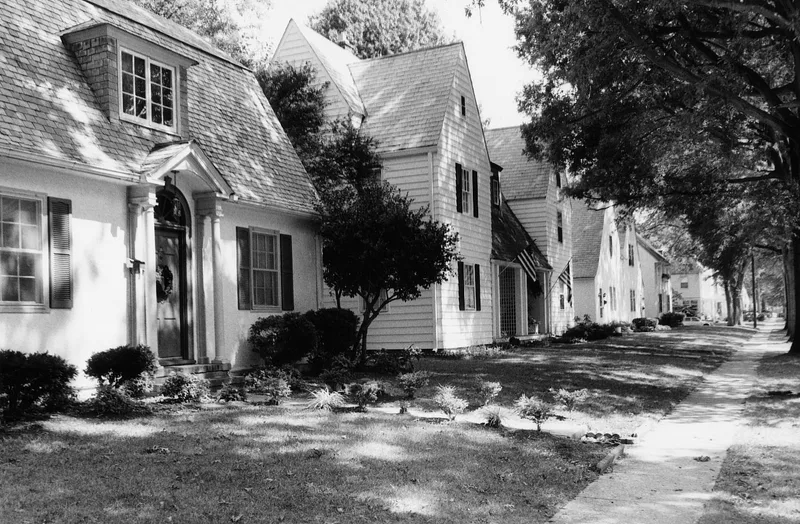
Hilton Village is a planned community of roughly 100 acres between the James River and the Chesapeake and Ohio Railroad tracks in Newport News, Virginia. It was created during World War I to ease a critical housing shortage for employees of the Newport News Shipbuilding company, with the United States Shipping Board and the shipyard selecting a site on the former Darling Tract that could be reached by an extended trolley line. Landscape architect Henry Vincent Hubbard of Harvard laid out the community, and Francis Y. Joannes served as architect. Planners asked shipyard workers' wives for ideas about the houses. The frame dwellings, mostly stucco or frame with slate roofs, follow the English Cottage style and include single, double and row houses. The plan provided a city square, shops, play areas, parks and land for schools and churches. Planned apartments were never built. Sturdy construction and large yards for gardening helped the village endure as a community with strong civic pride.
Machine-generated summary. This summary was generated by a language model from the official nomination document and has not been reviewed line by line by an editor. It may contain errors. Check the source document before relying on any detail. Source: nomination document (PDF) · catalog entry. Generated October 2026 (model claude-sonnet-5-5, prompt v1.0-2026-10-29).
| Styles | English Cottage style |
|---|---|
| Areas of significance | Community Planning and Development |
| Boundary source | NPS cultural-resource GIS polygon |
| Full listing page | Hilton Village (property record) |
What listing means for this property
This is a historic district. Buildings within its boundary are either contributing (they add to the district's significance) or non-contributing. Owners of contributing income-producing buildings can claim the 20% federal rehabilitation tax credit; homeowners should look at state credits. National Register districts impose no design review by themselves; a local historic district ordinance, if one exists, does (the difference explained).
General information, not legal or tax advice. Rules change; confirm with your State Historic Preservation Office or a qualified adviser.