Henry Street Historic District

The National Park Service has not published a boundary polygon for this district; the map shows the listed properties inside it and the district's reference point.
Why it's listed
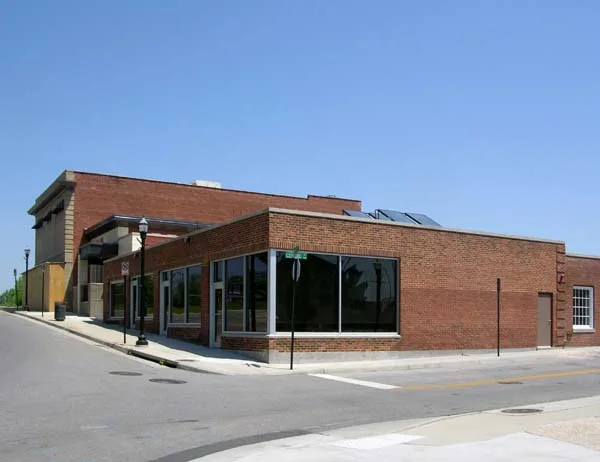
Henry Street, also called First Street, in Roanoke's Gainsboro neighborhood was the commercial and entertainment heart of the city's African-American community in the first half of the 20th century. Five buildings remain of a once larger three-block district: the 1917 Hotel Dumas, the 1923 Strand Theatre, a doctor's office from about 1945, and small storefront buildings from 1951 and 1962. The hotel lodged touring performers such as Duke Ellington, Count Basie and Cab Calloway during segregation, while the Strand hosted musicians and, from 1924 to 1925, the film company of Oscar Micheaux, who made several films in the neighborhood. Doctors and dentists also kept offices nearby, tied to the founding of Burrell Memorial Hospital. The district was recognized for its importance in commerce, entertainment, health care and Black ethnic heritage from 1917 to 1954. The buildings have stood vacant for about twenty years, and the theatre has lost its roof.
Machine-generated summary. This summary was generated by a language model from the official nomination document and has not been reviewed line by line by an editor. It may contain errors. Check the source document before relying on any detail. Source: nomination document (PDF) · catalog entry. Generated October 2026 (model claude-sonnet-5-5, prompt v1.0-2026-10-29).
| Period of significance | 1917-1954 |
|---|---|
| Styles | Late 19th and Early 20th Century Revival; No Style |
| Areas of significance | Commerce, Entertainment/Recreation, Health/Medicine, Black |
| Acreage | 1.2 |
| Boundary source | not published |
| Full listing page | Henry Street Historic District (property record) |
What listing means for this property
This is a historic district. Buildings within its boundary are either contributing (they add to the district's significance) or non-contributing. Owners of contributing income-producing buildings can claim the 20% federal rehabilitation tax credit; homeowners should look at state credits. National Register districts impose no design review by themselves; a local historic district ordinance, if one exists, does (the difference explained).
Noted as vacant in the nomination. Nomination documents can be decades old; current status may differ. If you are considering buying an empty listed property, read the due-diligence checklist.
General information, not legal or tax advice. Rules change; confirm with your State Historic Preservation Office or a qualified adviser.