Hampden-Sydney College Historic District

Why it's listed
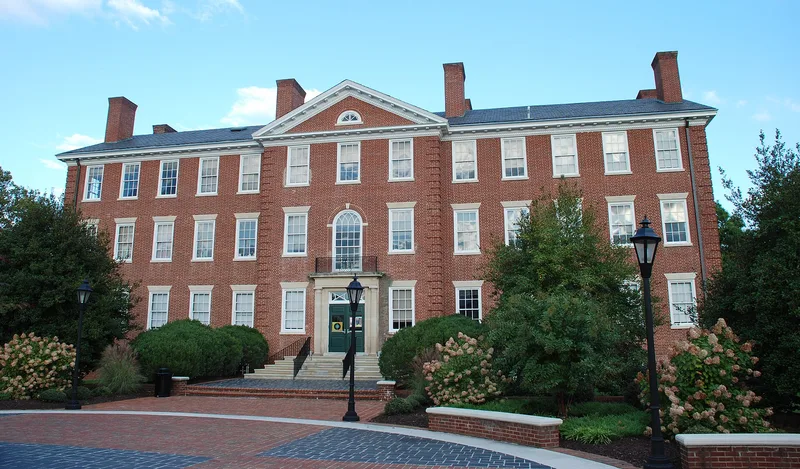
Hampden-Sydney College occupies a rural campus in Prince Edward County, Virginia, where many buildings from the early and mid-1800s still stand in their original setting. Oldest among them are the Alamo, a brick house built in 1817 with a later angled addition, and Cushing Hall, a four-story, thirteen-bay dormitory completed in stages by about 1830. Near the Via Sacra stand Penshurst, Venable Hall and Middlecourt, the former Union Theological Seminary group, and nearby is Graham Hall, the original president's house. College Church, designed by Dr. Robert Lewis Dabney and built in 1860, follows the Greek Revival style. The institution began in 1776 as an academy, was incorporated as a college in 1783, and hosted the seminary from 1823 to 1898. It also sponsored a medical school in Richmond from 1837 to 1854. Slow growth and small size have kept the campus uncrowded, preserving a nineteenth-century rural college character.
Machine-generated summary. This summary was generated by a language model from the official nomination document and has not been reviewed line by line by an editor. It may contain errors. Check the source document before relying on any detail. Source: nomination document (PDF). Generated October 2026 (model claude-sonnet-5-5, prompt v1.0-2026-10-29).
| Styles | Federal and Greek Revival buildings (Alamo, Cushing Hall, College Church) |
|---|---|
| Areas of significance | Education, Architecture, Religion |
| Acreage | 226 |
| Boundary source | NPS cultural-resource GIS polygon |
| Full listing page | Hampden-Sydney College Historic District (property record) |
What listing means for this property
This is a historic district. Buildings within its boundary are either contributing (they add to the district's significance) or non-contributing. Owners of contributing income-producing buildings can claim the 20% federal rehabilitation tax credit; homeowners should look at state credits. National Register districts impose no design review by themselves; a local historic district ordinance, if one exists, does (the difference explained).
General information, not legal or tax advice. Rules change; confirm with your State Historic Preservation Office or a qualified adviser.