Glencarlyn Historic District

Why it's listed
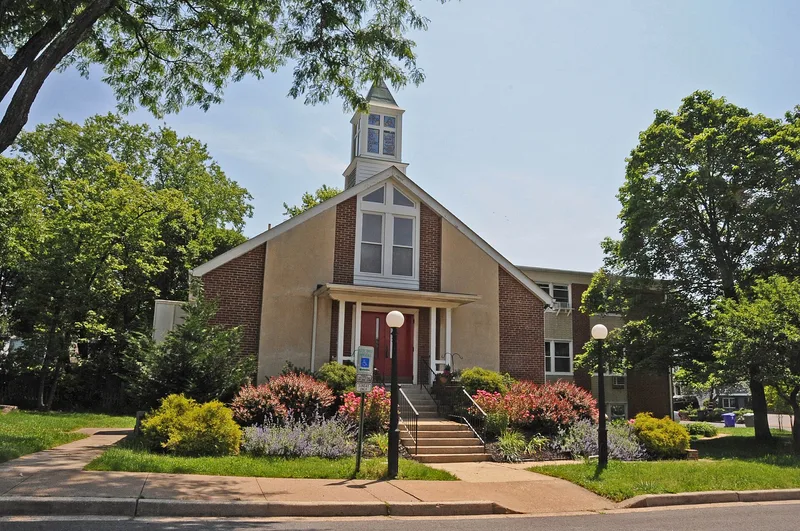
Glencarlyn is a residential neighborhood in western Arlington County, Virginia, laid out in 1887 by William W. Curtis and Samuel S. Burdett as Carlin Springs. It was Arlington's first planned residential subdivision, with equally sized rectangular lots, and it grew over many decades rather than under one developer. The district holds more than 360 residential buildings, a single commercial building, Glencarlyn Park, the Carlin Family Cemetery, the library, St. John's Episcopal Church and Carlin Hall. Its oldest building is the Ball-Sellers House, begun as a one-room log structure around 1742 and the oldest extant building in the county. It preserves a rare surviving clapboard roof. Earlier, the Carlin family ran a popular excursion destination here, reached by railroad. Houses range from Queen Anne and Colonial Revival examples of the 1880s and 1890s to Craftsman bungalows and many post-World War II homes. The district is notable for its cohesive plan, its architectural range and its early history.
Machine-generated summary. This summary was generated by a language model from the official nomination document and has not been reviewed line by line by an editor. It may contain errors. Check the source document before relying on any detail. Source: nomination document (PDF) · catalog entry. Generated October 2026 (model claude-sonnet-5-5, prompt v1.0-2026-10-29).
| Styles | Late Victorian/Queen Anne; Late 19th and 20th Century Revivals/Colonial Revival; Craftsman/Bungalow; Modern Movement |
|---|---|
| Areas of significance | Architecture, Community Planning and Development |
| Acreage | 135.3 |
| Boundary source | NPS cultural-resource GIS polygon |
| Full listing page | Glencarlyn Historic District (property record) |
What listing means for this property
This is a historic district. Buildings within its boundary are either contributing (they add to the district's significance) or non-contributing. Owners of contributing income-producing buildings can claim the 20% federal rehabilitation tax credit; homeowners should look at state credits. National Register districts impose no design review by themselves; a local historic district ordinance, if one exists, does (the difference explained).
General information, not legal or tax advice. Rules change; confirm with your State Historic Preservation Office or a qualified adviser.