Front Royal Recreational Park Historic District

Why it's listed
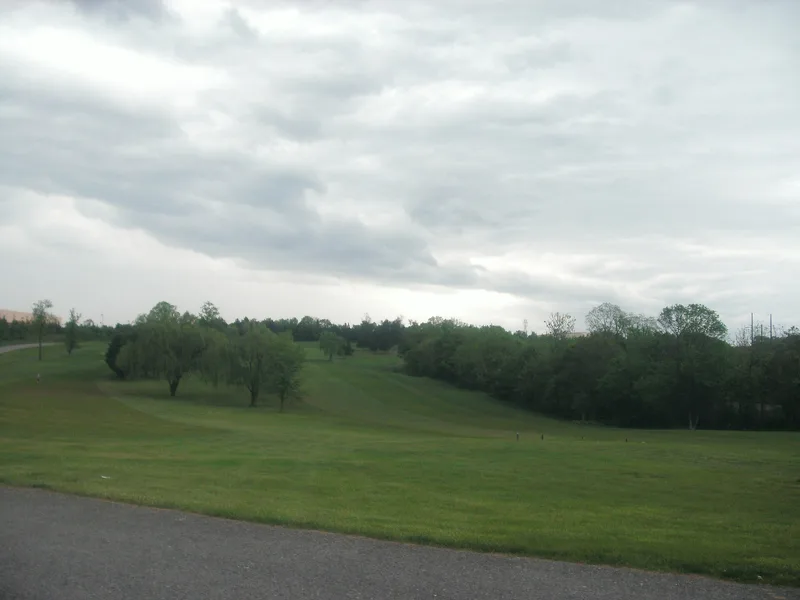
Front Royal Recreational Park, now the Front Royal Country Club, occupies land along the North Fork of the Shenandoah River near Riverton in Warren County, Virginia. William E. and Agnes H. Carson gave 63 acres for the park, and the Civilian Conservation Corps built it between 1935 and 1938. The park opened on August 6, 1938, and was dedicated to the Carsons' son, who died in 1925. Its features include a sandstone and wood clubhouse with a ballroom, a nine-hole golf course, a swimming pool, tennis courts, a greenskeeper's cottage, a garage and a golf shelter. Construction was credited to CCC camps near Front Royal. The park is significant as an example of a Depression-era recreation project made possible by New Deal work programs and by Carson, a leading figure in Virginia's state park system. The deed named a mixed board of local citizens, and the park has served the area continuously since opening.
Machine-generated summary. This summary was generated by a language model from the official nomination document and has not been reviewed line by line by an editor. It may contain errors. Check the source document before relying on any detail. Source: nomination document (PDF) · catalog entry. Generated October 2026 (model claude-sonnet-5-5, prompt v1.0-2026-10-29).
| Period of significance | 1935-1938 |
|---|---|
| Styles | Late 19th and 20th Century American Movements (rustic) |
| Areas of significance | Entertainment/Recreation |
| Acreage | 63 |
| Boundary source | NPS cultural-resource GIS polygon |
| Full listing page | Front Royal Recreational Park Historic District (property record) |
What listing means for this property
This is a historic district. Buildings within its boundary are either contributing (they add to the district's significance) or non-contributing. Owners of contributing income-producing buildings can claim the 20% federal rehabilitation tax credit; homeowners should look at state credits. National Register districts impose no design review by themselves; a local historic district ordinance, if one exists, does (the difference explained).
General information, not legal or tax advice. Rules change; confirm with your State Historic Preservation Office or a qualified adviser.