Edinburg Historic District

Why it's listed
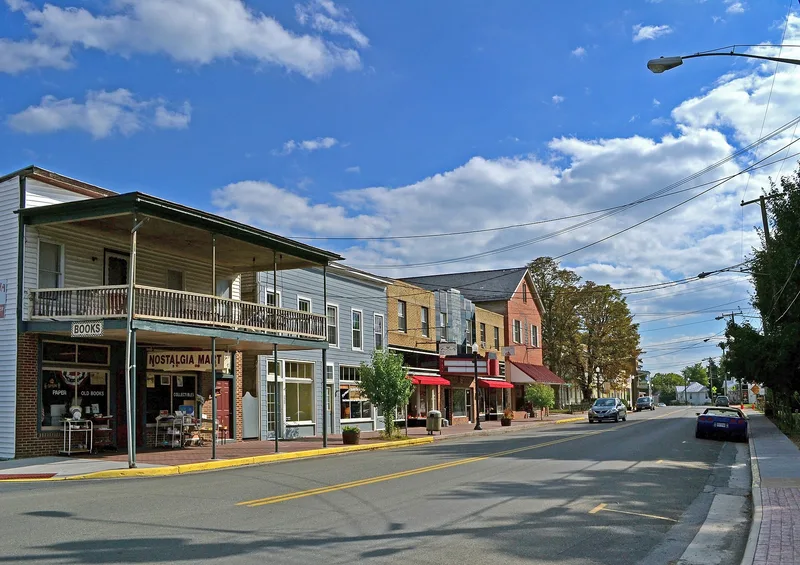
Edinburg's historic district covers 128 acres of a Shenandoah Valley town incorporated in 1852, though settlement began decades earlier. Streets follow a grid centered on Main Street, the old Valley Turnpike, which runs east-west here because of a bend in Stony Creek. The district holds 304 contributing resources, mostly houses with outbuildings such as meathouses, chicken coops and garages. It also includes commercial buildings, churches, a school, two cemeteries, bridges and the Edinburg Mill, built 1848 to 1850. The earliest known building is the Philip Grandstaff House, dated 1787 by an inscription in a log. Early buildings were log with limestone foundations and chimneys, while later ones show Federal, Greek Revival, Italianate, Queen Anne and Craftsman influences. Most buildings are vernacular, and the I-house is the dominant house form. Intact streets, lot patterns and few modern intrusions give the area a cohesive character that supported its listing.
Machine-generated summary. This summary was generated by a language model from the official nomination document and has not been reviewed line by line by an editor. It may contain errors. Check the source document before relying on any detail. Source: nomination document (PDF) · catalog entry. Generated October 2026 (model claude-sonnet-5-5, prompt v1.0-2026-10-29).
| Styles | Late Victorian (Queen Anne, Italianate); Late 19th and 20th Century Revivals (Colonial Revival); Bungalow/Craftsman; I-house |
|---|---|
| Areas of significance | Military, Transportation, Commerce, Industry, Architecture |
| Acreage | 128 |
| Boundary source | NPS cultural-resource GIS polygon |
| Full listing page | Edinburg Historic District (property record) |
What listing means for this property
This is a historic district. Buildings within its boundary are either contributing (they add to the district's significance) or non-contributing. Owners of contributing income-producing buildings can claim the 20% federal rehabilitation tax credit; homeowners should look at state credits. National Register districts impose no design review by themselves; a local historic district ordinance, if one exists, does (the difference explained).
General information, not legal or tax advice. Rules change; confirm with your State Historic Preservation Office or a qualified adviser.