Driver Historic District

Why it's listed
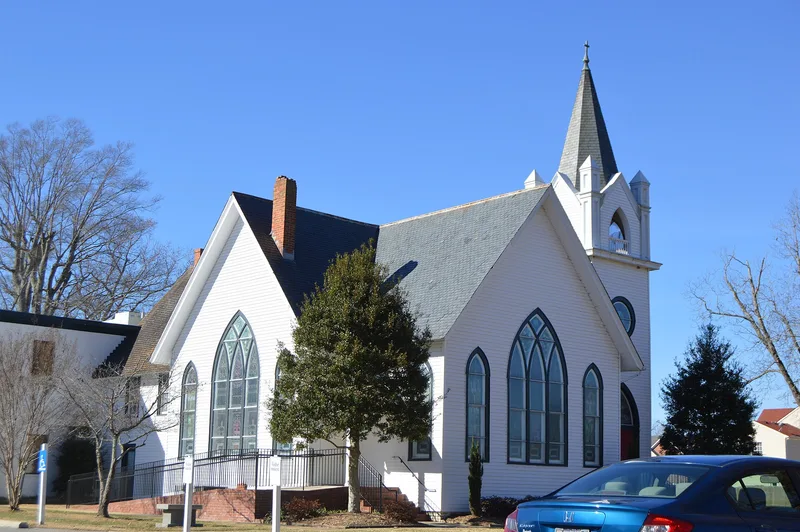
Driver is a small rural village in northern Suffolk, Virginia, centered on the crossroads of Driver Lane and King's Highway. The district holds 24 buildings, 20 of them contributing: houses, two churches, two school buildings, a train depot, a Masonic lodge and several country stores. The crossroads was a trading point and stagecoach stop by the eighteenth century, but the present village developed after the Norfolk and Carolina Railroad arrived around 1887. It was later renamed for E. J. Driver, who ran a successful country store. Farmers shipped vegetables and peanuts, and around 1926 a consolidated high school complex was built, adding jobs and housing demand. The oldest surviving building is the Parker House, probably built between 1820 and 1840. The Berea and Beech Grove churches are unusually ornate for rural churches of their time. Some buildings are vacant and need rehabilitation, and nearby suburban growth puts pressure on the district.
Machine-generated summary. This summary was generated by a language model from the official nomination document and has not been reviewed line by line by an editor. It may contain errors. Check the source document before relying on any detail. Source: nomination document (PDF) · catalog entry. Generated October 2026 (model claude-sonnet-5-5, prompt v1.0-2026-10-29).
| Period of significance | 1820-1944 |
|---|---|
| Styles | Federal, Queen Anne, Colonial Revival, Late Gothic Revival |
| Areas of significance | Architecture |
| Acreage | 15 |
| Boundary source | NPS cultural-resource GIS polygon |
| Full listing page | Driver Historic District (property record) |
What listing means for this property
This is a historic district. Buildings within its boundary are either contributing (they add to the district's significance) or non-contributing. Owners of contributing income-producing buildings can claim the 20% federal rehabilitation tax credit; homeowners should look at state credits. National Register districts impose no design review by themselves; a local historic district ordinance, if one exists, does (the difference explained).
General information, not legal or tax advice. Rules change; confirm with your State Historic Preservation Office or a qualified adviser.