Cumberland Court House Historic District

Why it's listed
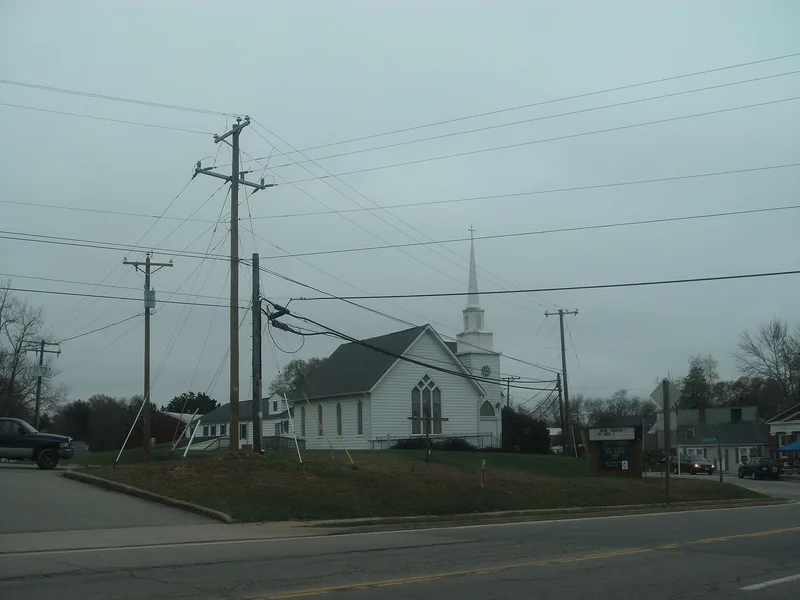
Cumberland Court House is the county seat village of Cumberland County, Virginia, in the southern Piedmont about 50 miles west of Richmond. The historic district follows Route 60 and nearby roads across about 372 acres and holds government, residential, commercial, educational and religious buildings. Its center is the courthouse square, where a temple-form brick courthouse and clerk's office, both credited to builder William A. Howard, were finished by 1821, with the old jail added around 1823. The Peter Foster house, a frame dwelling from the late eighteenth century, is the oldest surviving building. Most other resources date from the early and mid-twentieth century, when automobile traffic on Route 60 spurred new houses and businesses. Fires claimed early landmarks such as Effingham Tavern, and a 1950s realignment of Route 60 removed the old Flippens' Store. Two early farmsteads, Burleigh Hall and Woodlawn, mark the edges of the district. Together the buildings trace the village's change from a hamlet busy mainly on court days to a lasting community.
Machine-generated summary. This summary was generated by a language model from the official nomination document and has not been reviewed line by line by an editor. It may contain errors. Check the source document before relying on any detail. Source: nomination document (PDF) · catalog entry. Generated October 2026 (model claude-sonnet-5-5, prompt v1.0-2026-10-29).
| Styles | Federal, Greek Revival, Queen Anne, Colonial Revival, Bungalow/Craftsman, Moderne, Vernacular (I-house) |
|---|---|
| Areas of significance | Architecture, Commerce, Community Planning and Development, Politics/Government |
| Acreage | 372 |
| Boundary source | NPS cultural-resource GIS polygon |
| Full listing page | Cumberland Court House Historic District (property record) |
What listing means for this property
This is a historic district. Buildings within its boundary are either contributing (they add to the district's significance) or non-contributing. Owners of contributing income-producing buildings can claim the 20% federal rehabilitation tax credit; homeowners should look at state credits. National Register districts impose no design review by themselves; a local historic district ordinance, if one exists, does (the difference explained).
General information, not legal or tax advice. Rules change; confirm with your State Historic Preservation Office or a qualified adviser.