Craddock Historic District
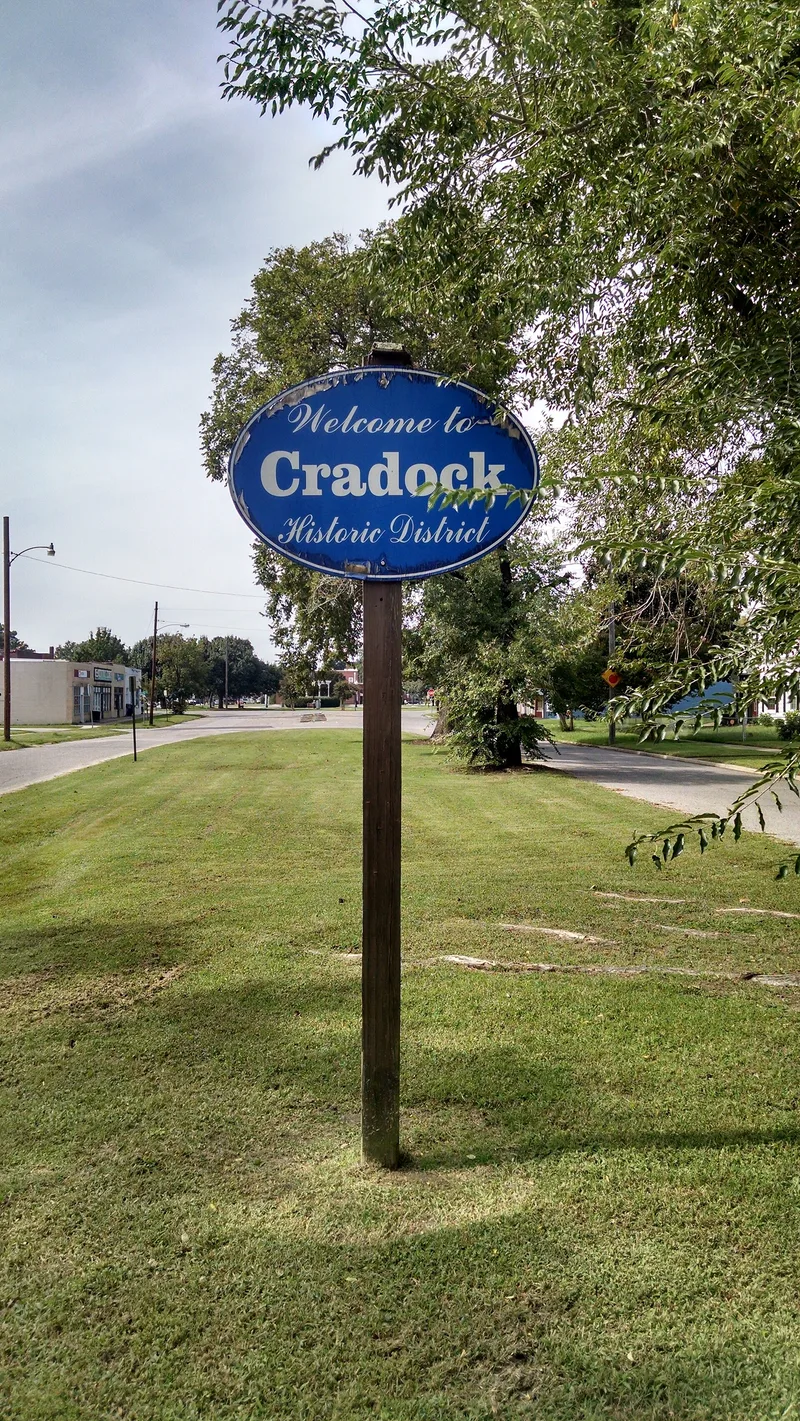

Why it's listed
Cradock is a planned community at the southern end of Portsmouth, Virginia, built by the federal government in 1918 to house workers at the Norfolk Naval Shipyard during World War I. Laid out on a 310-acre farm beside Paradise Creek, it follows an anchor-shaped street plan, with Afton Parkway as the shank and a central park and bandstand serving as the town's focal point. New York architects George B. Post and Sons designed the layout and many buildings, with help from the United States Housing Corporation. Of 1,235 houses planned, 759 were built, mostly small frame dwellings in several styles on fifty-foot lots. Schools, a firehouse, shops, churches, and a streetcar line were provided within walking distance, and utility lines were hidden behind houses or under medians. Cradock was recognized as an early model of government-built community planning that has changed little since 1918. Its original shopping area has declined, but neighborhood pride has kept the residential areas well maintained.
Machine-generated summary. This summary was generated by a language model from the official nomination document and has not been reviewed line by line by an editor. It may contain errors. Check the source document before relying on any detail. Source: nomination document (PDF) · catalog entry. Generated October 2026 (model claude-sonnet-5-5, prompt v1.0-2026-10-29).
| Period of significance | 20th Century (1918) |
|---|---|
| Styles | Modified English Cottage, Bungaloid, Dutch Colonial and Colonial Revival houses |
| Areas of significance | Community Planning and Development |
| Acreage | 310 |
| Boundary source | NPS cultural-resource GIS polygon |
| Full listing page | Craddock Historic District (property record) |
What listing means for this property
This is a historic district. Buildings within its boundary are either contributing (they add to the district's significance) or non-contributing. Owners of contributing income-producing buildings can claim the 20% federal rehabilitation tax credit; homeowners should look at state credits. National Register districts impose no design review by themselves; a local historic district ordinance, if one exists, does (the difference explained).
General information, not legal or tax advice. Rules change; confirm with your State Historic Preservation Office or a qualified adviser.