Cifax Rural Historic District

Why it's listed
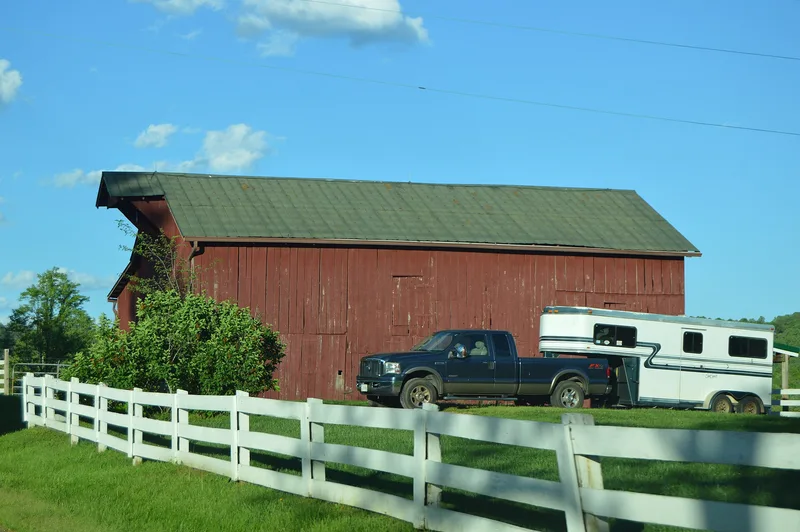
Cifax Rural Historic District covers roughly 1,800 acres of open farmland and wooded hillsides in a small upland valley of northeastern Bedford County, Virginia. Narrow tree-lined roads link farms whose houses and barns date from the second quarter of the nineteenth century to the present. Log dwellings, such as the Dillard Coffey and David Haynes houses, sit alongside frame farmhouses built in the early twentieth century and The Cedars, a Greek Revival brick house that is the only pre-twentieth-century brick building in the area. Three church buildings, an early school and the site of a locally important store add to the mix. The district is tied to the Poindexter family, who divided a large landholding into the area's first farms. It also reflects village commerce under Henry Thomson and the settlement of Scotchbroom City, a black community with its own Baptist church and school. Most farmers still raise cattle, corn and hay.
Machine-generated summary. This summary was generated by a language model from the official nomination document and has not been reviewed line by line by an editor. It may contain errors. Check the source document before relying on any detail. Source: nomination document (PDF) · catalog entry. Generated October 2026 (model claude-sonnet-5-5, prompt v1.0-2026-10-29).
| Styles | Greek Revival; Colonial Revival; Regional Vernacular |
|---|---|
| Areas of significance | Agriculture, Architecture |
| Acreage | 1800 |
| Boundary source | NPS cultural-resource GIS polygon |
| Full listing page | Cifax Rural Historic District (property record) |
What listing means for this property
This is a historic district. Buildings within its boundary are either contributing (they add to the district's significance) or non-contributing. Owners of contributing income-producing buildings can claim the 20% federal rehabilitation tax credit; homeowners should look at state credits. National Register districts impose no design review by themselves; a local historic district ordinance, if one exists, does (the difference explained).
General information, not legal or tax advice. Rules change; confirm with your State Historic Preservation Office or a qualified adviser.