Cedar Hill Cemetery

Why it's listed
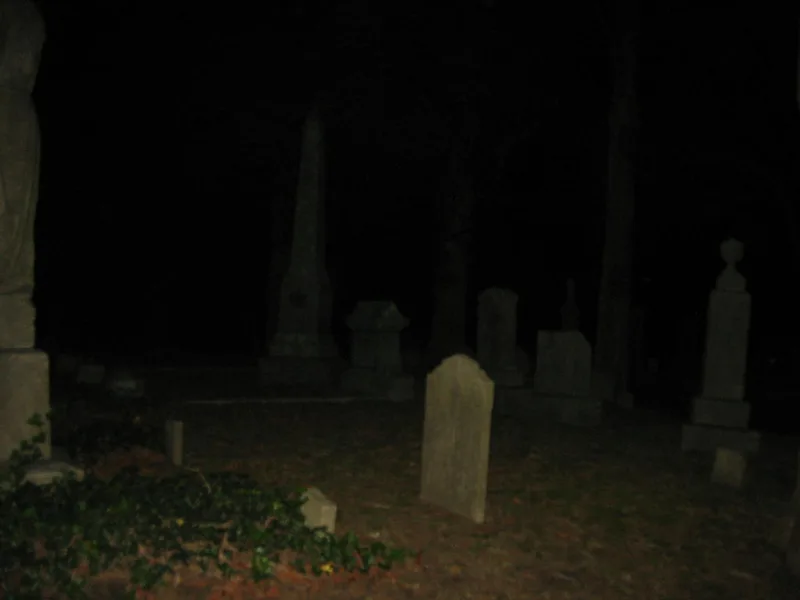
Cedar Hill Cemetery is a 25-acre public burial ground in Suffolk, Virginia, set on an elevated hill planted mainly with cedar trees. It began in 1802, when the town bought land for a chapel and burying place that served the non-denominational Union Church. The church building was moved away in 1872, and the cemetery grew through the 19th century to its present size in 1910. Its grid plan has three distinct sections, and the west slope of the hill is stepped for burials. Markers range from plain early slabs to Victorian obelisks, treestones, statuary and chest tombs, along with mausoleums built in the 1930s. A bronze Confederate soldier monument dedicated in 1889 and a World War I Doughboy statue dedicated in 1931 stand within the grounds. Burials have included people of different races and religions, and many of Suffolk's prominent residents. The cemetery was listed for its planning and the artistic value of its markers, with a period of significance of 1802 to 1955.
Machine-generated summary. This summary was generated by a language model from the official nomination document and has not been reviewed line by line by an editor. It may contain errors. Check the source document before relying on any detail. Source: nomination document (PDF) · catalog entry. Generated October 2026 (model claude-sonnet-5-5, prompt v1.0-2026-10-29).
| Period of significance | 1802-1955 |
|---|---|
| Styles | Early Republic, Mid-19th Century, Late Victorian, Late 19th and 20th Century Revivals, Late 19th and Early 20th Century American Movements, Modern Movement |
| Areas of significance | Landscape Architecture, Architecture |
| Acreage | 25 |
| Boundary source | NPS cultural-resource GIS polygon |
| Full listing page | Cedar Hill Cemetery (property record) |
What listing means for this property
This is a historic district. Buildings within its boundary are either contributing (they add to the district's significance) or non-contributing. Owners of contributing income-producing buildings can claim the 20% federal rehabilitation tax credit; homeowners should look at state credits. National Register districts impose no design review by themselves; a local historic district ordinance, if one exists, does (the difference explained).
General information, not legal or tax advice. Rules change; confirm with your State Historic Preservation Office or a qualified adviser.