Cartersville Historic District

Why it's listed
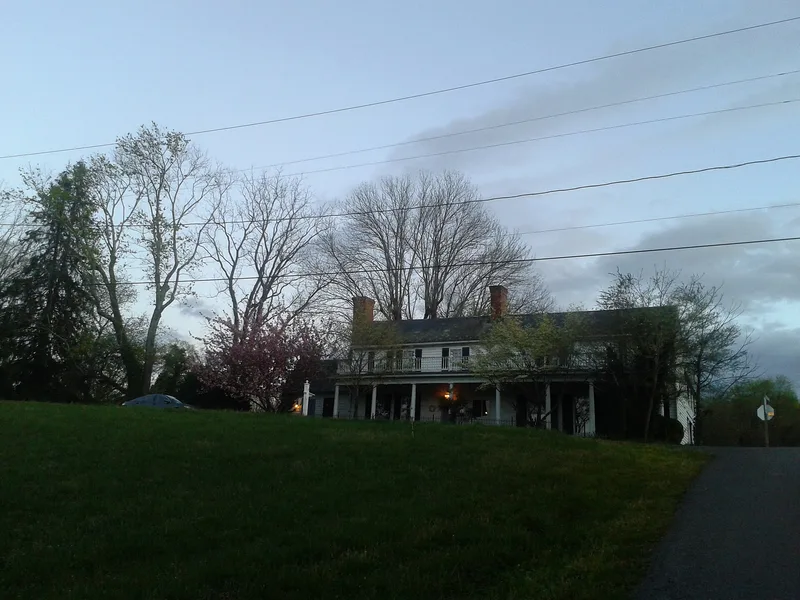
Cartersville is a small village on a bluff above the James River in northern Cumberland County, Virginia. The Virginia General Assembly established it in 1790 at Carter's Ferry, a river crossing that also served as a Revolutionary War supply post. The ferry, the Cartersville Bridge of 1822 and the James River and Kanawha Canal, which arrived in 1851, made it a regional transportation center. After the Civil War the railroad bypassed the town, and its economy and population declined. The district covers about forty-eight acres and holds mostly wood-frame, weatherboard houses from around 1900, along with Federal-style houses and taverns from the 1780s to 1810, three churches, a post office, a former bank and several commercial buildings. Notable examples include the Deanery, the Cartersville Tavern, the Victorian Gothic Baptist church and three modified Queen Anne houses. The village has changed little since the early twentieth century, which is the basis for its listing for transportation history and architecture.
Machine-generated summary. This summary was generated by a language model from the official nomination document and has not been reviewed line by line by an editor. It may contain errors. Check the source document before relying on any detail. Source: nomination document (PDF) · catalog entry. Generated October 2026 (model claude-sonnet-5-5, prompt v1.0-2026-10-29).
| Period of significance | 1780s to 1940 |
|---|---|
| Styles | Federal, Queen Anne, Colonial Revival |
| Areas of significance | Transportation, Architecture |
| Acreage | 48 |
| Boundary source | NPS cultural-resource GIS polygon |
| Full listing page | Cartersville Historic District (property record) |
What listing means for this property
This is a historic district. Buildings within its boundary are either contributing (they add to the district's significance) or non-contributing. Owners of contributing income-producing buildings can claim the 20% federal rehabilitation tax credit; homeowners should look at state credits. National Register districts impose no design review by themselves; a local historic district ordinance, if one exists, does (the difference explained).
General information, not legal or tax advice. Rules change; confirm with your State Historic Preservation Office or a qualified adviser.