Buffalo Forge (081-0003)

Why it's listed
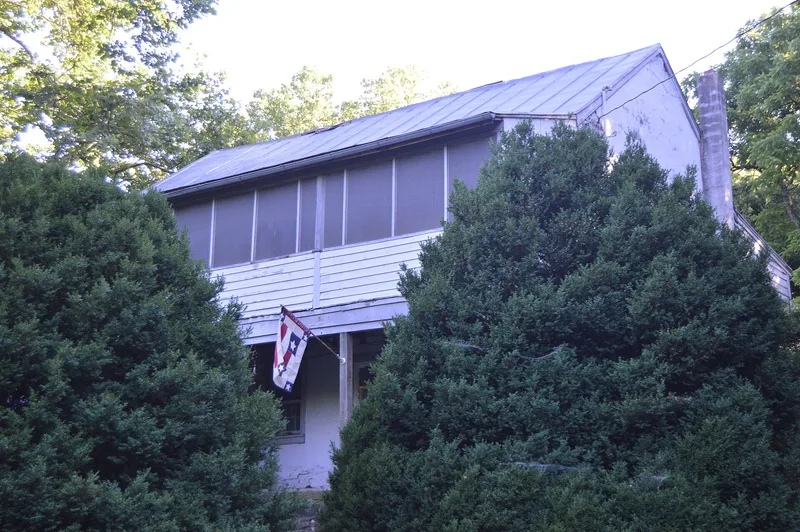
Buffalo Forge is a 37.9-acre complex beside Buffalo Creek in Rockbridge County, Virginia, where an iron forge and plantation operated through the antebellum years. The surviving core is a two-section stone manor house called Mount Pleasant, begun about 1819 and extended about 1830, with Carpenter Gothic dormers added later. Nearby are a detached kitchen, a springhouse, two slave quarters built about 1858, a stone cabin believed to have housed enslaved people, farm buildings, and the ruins of a merchant mill with its race and pond remnant. William Weaver owned the operation from the 1820s until 1863, followed by his relative Daniel Brady. Enslaved workers, including skilled refiners paid for production beyond quotas, made the iron and raised the crops. Detailed ledgers and journals survive and have been studied by historian Charles Dew. The district was listed for its role in iron production, Black ethnic heritage, architecture and archaeological potential.
Machine-generated summary. This summary was generated by a language model from the official nomination document and has not been reviewed line by line by an editor. It may contain errors. Check the source document before relying on any detail. Source: nomination document (PDF) · catalog entry. Generated October 2026 (model claude-sonnet-5-5, prompt v1.0-2026-10-29).
| Period of significance | 1820-1870 |
|---|---|
| Styles | Early Republic: Federal; Mid-19th Century: Gothic Revival |
| Areas of significance | Historic - Non-Aboriginal, Architecture, Black, Industry |
| Acreage | 37.9 |
| Boundary source | NPS cultural-resource GIS polygon |
| Full listing page | Buffalo Forge (081-0003) (property record) |
What listing means for this property
This is a historic district. Buildings within its boundary are either contributing (they add to the district's significance) or non-contributing. Owners of contributing income-producing buildings can claim the 20% federal rehabilitation tax credit; homeowners should look at state credits. National Register districts impose no design review by themselves; a local historic district ordinance, if one exists, does (the difference explained).
General information, not legal or tax advice. Rules change; confirm with your State Historic Preservation Office or a qualified adviser.