Bristol Warehouse Historic District

Why it's listed
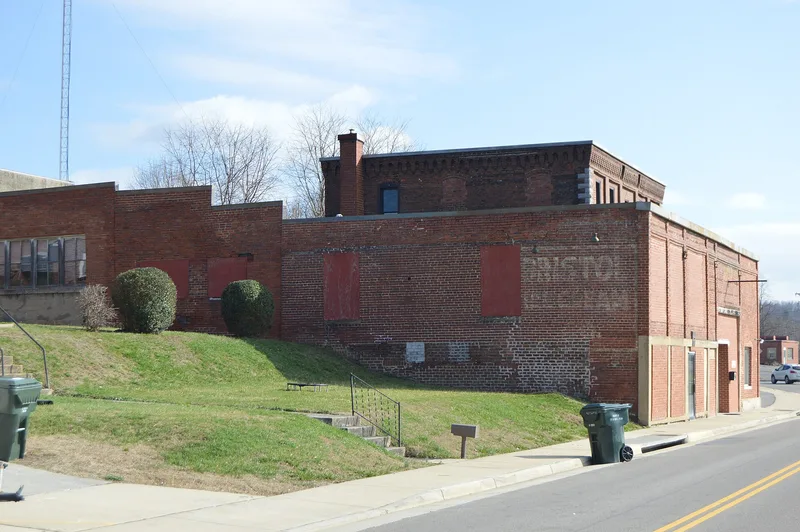
Along Scott and Lee Streets in Bristol, Virginia, a cluster of brick and concrete buildings recalls the city's days as a railroad and warehouse center. The district includes the three-story South Atlantic & Ohio Railroad station and offices of about 1887, with Italianate touches such as arched windows, stone quoins and a corbelled cornice. Facing the tracks are warehouses built between about 1910 and 1946, including the Bristol Builders Supply Company, Bristol Warehouse Company and Central Warehouse buildings. A ca. 1940s-1950 parsonage and a small concrete block office building, plus stretches of original steel track, complete the group. The warehouses are plain, with flat roofs, concrete loading platforms and open interiors. Urban renewal in the 1970s and 1980s demolished many nearby similar buildings, leaving this the largest contiguous collection of the city's railroad-related warehouses downtown. The district was recognized for its commercial and architectural importance, with a period of significance from about 1887 to 1960.
Machine-generated summary. This summary was generated by a language model from the official nomination document and has not been reviewed line by line by an editor. It may contain errors. Check the source document before relying on any detail. Source: nomination document (PDF) · catalog entry. Generated October 2026 (model claude-sonnet-5-5, prompt v1.0-2026-10-29).
| Period of significance | Ca. 1887-1960 |
|---|---|
| Styles | Late 19th and Early 20th Century Revivals/Italianate; Late 19th and Early 20th Century American Movement/Commercial Style; Other/Minimal Traditional |
| Areas of significance | Commerce, Architecture |
| Acreage | 3 |
| Boundary source | NPS cultural-resource GIS polygon |
| Full listing page | Bristol Warehouse Historic District (property record) |
What listing means for this property
This is a historic district. Buildings within its boundary are either contributing (they add to the district's significance) or non-contributing. Owners of contributing income-producing buildings can claim the 20% federal rehabilitation tax credit; homeowners should look at state credits. National Register districts impose no design review by themselves; a local historic district ordinance, if one exists, does (the difference explained).
General information, not legal or tax advice. Rules change; confirm with your State Historic Preservation Office or a qualified adviser.