Bristersburg Historic District

Why it's listed
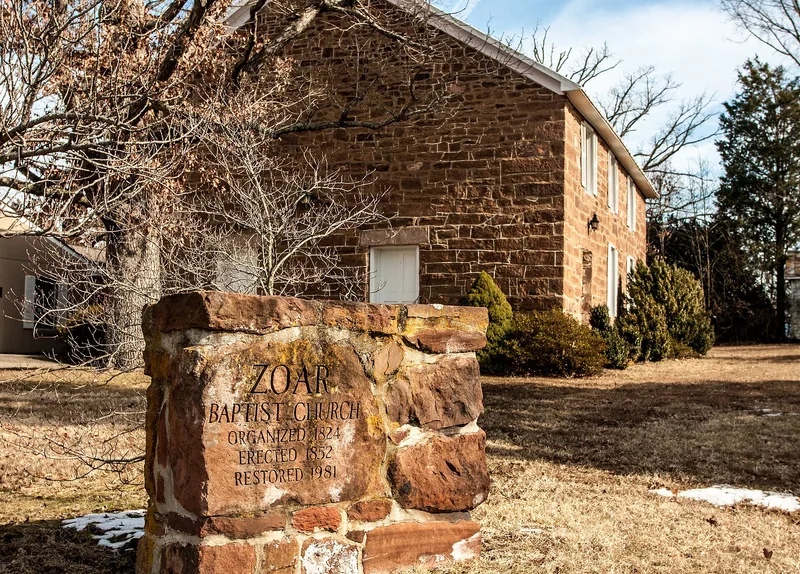
Bristersburg is a small crossroads village in southeastern Fauquier County, Virginia, where Elk Run Road meets Bristersburg Road. The district covers about 28 acres and includes dwellings, former stores, a stone church, a cemetery, a former school and farm outbuildings, with 22 contributing and 9 noncontributing resources. The earliest surviving building is a store core said to date to about 1838, later enlarged into a dwelling. Zoar Baptist Church, built of stone in 1852, is the visual centerpiece. The 1910 school housed grades 1 through 12 until it closed in 1969 and later became a home. The village served as a trading center for surrounding farms from the mid-19th century well into the 20th, and an 1862 Civil War map shows its church, store and four dwellings. Its stores, blacksmith shop and Queen Anne house with an adjoining country store illustrate commerce and architecture. Now surrounded by large farms, it is among the best-preserved historic groupings in the area. All its commercial buildings are vacant.
Machine-generated summary. This summary was generated by a language model from the official nomination document and has not been reviewed line by line by an editor. It may contain errors. Check the source document before relying on any detail. Source: nomination document (PDF) · catalog entry. Generated October 2026 (model claude-sonnet-5-5, prompt v1.0-2026-10-29).
| Period of significance | ca. 1838-1958 |
|---|---|
| Styles | Late 19th and Early 20th Century Revivals: Queen Anne; Other: Vernacular (including a vernacular Greek Revival church) |
| Areas of significance | Architecture, Transportation, Commerce, Education |
| Acreage | 28 |
| Boundary source | NPS cultural-resource GIS polygon |
| Full listing page | Bristersburg Historic District (property record) |
What listing means for this property
This is a historic district. Buildings within its boundary are either contributing (they add to the district's significance) or non-contributing. Owners of contributing income-producing buildings can claim the 20% federal rehabilitation tax credit; homeowners should look at state credits. National Register districts impose no design review by themselves; a local historic district ordinance, if one exists, does (the difference explained).
General information, not legal or tax advice. Rules change; confirm with your State Historic Preservation Office or a qualified adviser.