Booker T. Washington National Monument

Why it's listed
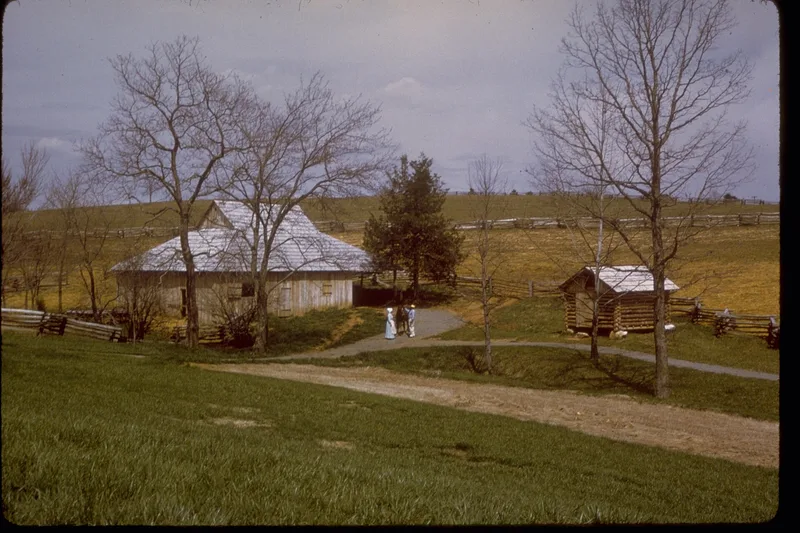
Booker T. Washington National Monument occupies about 224 acres in Franklin County, Virginia, on the former Burroughs tobacco plantation where Washington was born into slavery in 1856. James and Elizabeth Burroughs bought the land in 1850 and 1854, growing tobacco, corn and wheat with ten enslaved people, including Washington's mother, Jane, who cooked in the kitchen cabin where he was born. Later owners altered or removed most buildings, and the main house burned in 1950. Today the site operates as a living historical farm with replica cabins, barns and pens, along with a museum, trails, a visitor center and cemeteries. Only the Burroughs and Sparks cemeteries and traces of two historic roads date from Washington's years here. The listing rests on the property's role as the birthplace and boyhood home of Washington, a leading educator and the founder of Tuskegee Institute and the National Negro Business League.
Machine-generated summary. This summary was generated by a language model from the official nomination document and has not been reviewed line by line by an editor. It may contain errors. Check the source document before relying on any detail. Source: nomination document (PDF) · catalog entry. Generated October 2026 (model claude-sonnet-5-5, prompt v1.0-2026-10-29).
| Styles | Vernacular log construction |
|---|---|
| Areas of significance | Industry, Black, Education, Politics/Government |
| Acreage | 198.8 |
| Boundary source | NPS cultural-resource GIS polygon |
| Full listing page | Booker T. Washington National Monument (property record) |
What listing means for this property
This is a historic district. Buildings within its boundary are either contributing (they add to the district's significance) or non-contributing. Owners of contributing income-producing buildings can claim the 20% federal rehabilitation tax credit; homeowners should look at state credits. National Register districts impose no design review by themselves; a local historic district ordinance, if one exists, does (the difference explained).
General information, not legal or tax advice. Rules change; confirm with your State Historic Preservation Office or a qualified adviser.