Atoka Historic District

Why it's listed
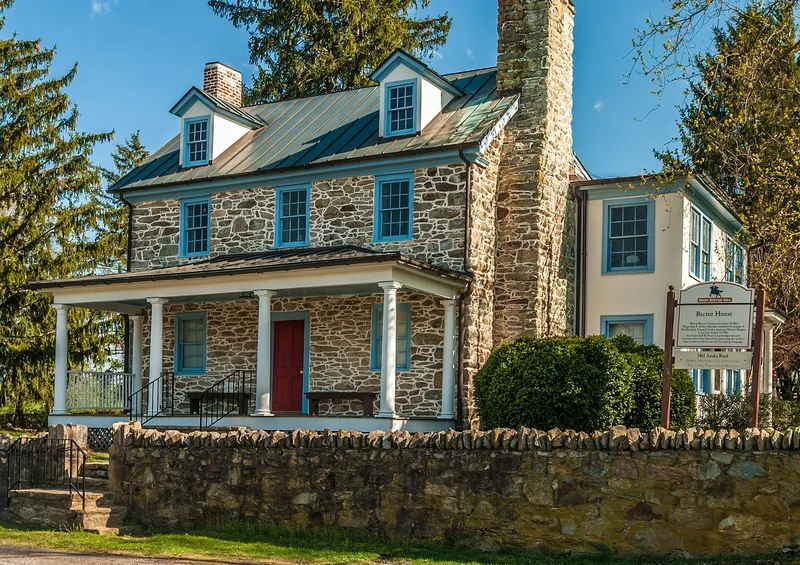
Atoka is a small crossroads hamlet in the far north of Fauquier County, Virginia, close to the Loudoun County line. It grew up where Atoka Road meets the Ashby Gap Turnpike and was first called Rector's Cross Roads after the family that owned the land. The district covers about six acres and holds eleven contributing resources: four dwellings with outbuildings, two commercial buildings and a stone springhouse. Buildings date from about 1830 to 1927 and include a stone house built by Caleb Rector, two log houses, the 1893 Atoka Store, a 1927 gas station and the Victorian-era Rector-Dean House. When US Route 50 bypassed the community in 1957, the hamlet was left largely unchanged. The district was listed for its architecture and for its role in transportation along the turnpike. Records also place the formal organization of Mosby's Rangers in or near the hamlet in June 1863, and Confederate cavalry under J.E.B. Stuart camped near its spring later that month.
Machine-generated summary. This summary was generated by a language model from the official nomination document and has not been reviewed line by line by an editor. It may contain errors. Check the source document before relying on any detail. Source: nomination document (PDF) · catalog entry. Generated October 2026 (model claude-sonnet-5-5, prompt v1.0-2026-10-29).
| Period of significance | ca. 1830-1927 |
|---|---|
| Styles | Other (vernacular log, stone and frame buildings; Late Victorian for the Rector-Dean House) |
| Areas of significance | Architecture, Transportation |
| Acreage | 6 |
| Boundary source | NPS cultural-resource GIS polygon |
| Full listing page | Atoka Historic District (property record) |
What listing means for this property
This is a historic district. Buildings within its boundary are either contributing (they add to the district's significance) or non-contributing. Owners of contributing income-producing buildings can claim the 20% federal rehabilitation tax credit; homeowners should look at state credits. National Register districts impose no design review by themselves; a local historic district ordinance, if one exists, does (the difference explained).
General information, not legal or tax advice. Rules change; confirm with your State Historic Preservation Office or a qualified adviser.