The Settlement Historic District

The National Park Service has not published a boundary polygon for this district; the map shows the listed properties inside it and the district's reference point.
Why it's listed
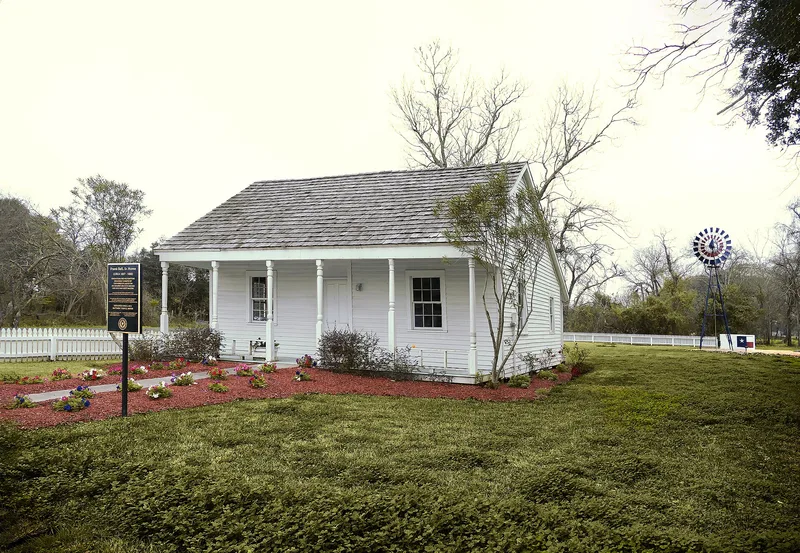
Centered on South Bell Drive and Eunice Street in Texas City, this small district marks the historic heart of the Settlement, a community founded in the late 1860s and early 1870s by African-American cowboys after their years on the Chisholm Trail. The district holds five contributing buildings, a contributing site with two century-old live oaks, and one modern noncontributing house. The oldest building is the Frank Bell, Sr. House, dated to 1887, a raised Creole cottage built partly of recycled lumber and now a museum. Craftsman bungalows from the 1920s and 1930s, many tied to Frank Bell, Jr. and his real estate business, reflect middle-class prosperity. A 1943 Art Moderne corner store is the last survivor of the community's business center. The district is significant for the Settlement's land ownership, high literacy, emphasis on education and Black-owned commerce, which set it apart in its era.
Machine-generated summary. This summary was generated by a language model from the official nomination document and has not been reviewed line by line by an editor. It may contain errors. Check the source document before relying on any detail. Source: nomination document (PDF) · catalog entry. Generated October 2026 (model claude-sonnet-5-5, prompt v1.0-2026-10-29).
| Period of significance | c. 1887-1960 |
|---|---|
| Styles | Creole Cottage; Craftsman; Art Moderne; Ranch Style |
| Areas of significance | Black |
| Acreage | 5 |
| Boundary source | not published |
| Full listing page | The Settlement Historic District (property record) |
What listing means for this property
This is a historic district. Buildings within its boundary are either contributing (they add to the district's significance) or non-contributing. Owners of contributing income-producing buildings can claim the 20% federal rehabilitation tax credit; homeowners should look at state credits. National Register districts impose no design review by themselves; a local historic district ordinance, if one exists, does (the difference explained).
General information, not legal or tax advice. Rules change; confirm with your State Historic Preservation Office or a qualified adviser.