Strain Farm-Strain, W.A., House (Boundary Increase)

Why it's listed
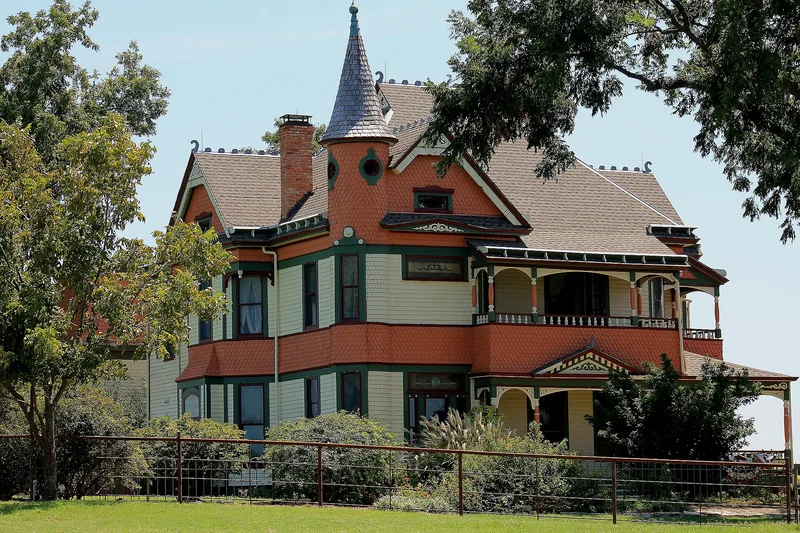
This 163-acre farm in Lancaster, Dallas County, surrounds an 1896 farmhouse complex that was listed in 1978 on a 2-acre tract. The expanded area protects the landscape around the house: terraced and contoured fields, a trench silo, a windmill and well site, a ca. 1900 barn, and archaeological remains of a wagon dump and a chicken house destroyed by a 1994 tornado. A 1920 brick garage and an old millstone within the original tract are also counted. The farm matters because Ellis Strain, working with Dallas County extension agent A.B. Jolley, built soil conservation terraces from about 1930 to curb erosion left by decades of cotton growing and tenant farming. He also grew award-winning hybrid corn and raised special livestock breeds for neighbors to observe. Aerial photographs from 1942 show the terraced fields much as they look today, set apart from surrounding rectangular fields. The farm was one of few known demonstration farms in the county between 1930 and 1950.
Machine-generated summary. This summary was generated by a language model from the official nomination document and has not been reviewed line by line by an editor. It may contain errors. Check the source document before relying on any detail. Source: nomination document (PDF) · catalog entry. Generated October 2026 (model claude-sonnet-5-5, prompt v1.0-2026-10-29).
| Period of significance | 1896-1951 |
|---|---|
| Styles | No style |
| Areas of significance | Architecture, Conservation |
| Acreage | 163 |
| Boundary source | NPS cultural-resource GIS polygon |
| Full listing page | Strain Farm-Strain, W.A., House (Boundary Increase) (property record) |
What listing means for this property
This is a historic district. Buildings within its boundary are either contributing (they add to the district's significance) or non-contributing. Owners of contributing income-producing buildings can claim the 20% federal rehabilitation tax credit; homeowners should look at state credits. National Register districts impose no design review by themselves; a local historic district ordinance, if one exists, does (the difference explained).
General information, not legal or tax advice. Rules change; confirm with your State Historic Preservation Office or a qualified adviser.