Roma Historic District

Why it's listed
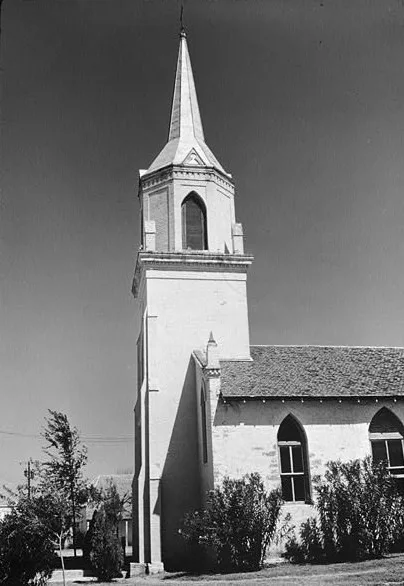
Roma's historic district covers fifteen blocks on a bluff above the Rio Grande, directly across from Mier, Mexico. It holds brick, stone and adobe buildings typical of the Rio Grande valley, many dating from 1850 to 1884. The most notable are the stores and houses designed and built by Enrique Portscheller, a German-born master brick mason who worked in Roma from the early 1880s until 1894. His buildings, including the Manuel Guerra House and Store and the Nestor Saenz Store, feature molded-brick pilasters, entablatures and cornices drawn from classical elements. Roma grew as a shipping point on the river, and profits from trade, including organized smuggling, financed the post-Civil War homes and warehouses. The district was drawn to include these major buildings, lesser vernacular structures and a buffer zone against the highway and bridge approach. Present uses include commercial, residential and religious functions, and the condition is rated fair. The Church of Our Lady of Refuge of Sinners survives only as a tower.
Machine-generated summary. This summary was generated by a language model from the official nomination document and has not been reviewed line by line by an editor. It may contain errors. Check the source document before relying on any detail. Source: nomination document (PDF) · catalog entry. Generated October 2026 (model claude-sonnet-5-5, prompt v1.0-2026-10-29).
| Period of significance | 1850-1884 |
|---|---|
| Areas of significance | Commerce, Hispanic, Exploration/Settlement, Architecture |
| Acreage | 27.5 |
| Boundary source | NPS cultural-resource GIS polygon |
| Full listing page | Roma Historic District (property record) |
What listing means for this property
This is a historic district. Buildings within its boundary are either contributing (they add to the district's significance) or non-contributing. Owners of contributing income-producing buildings can claim the 20% federal rehabilitation tax credit; homeowners should look at state credits. National Register districts impose no design review by themselves; a local historic district ordinance, if one exists, does (the difference explained).
General information, not legal or tax advice. Rules change; confirm with your State Historic Preservation Office or a qualified adviser.