Lamesa Farm Workers Community Historic District

Why it's listed
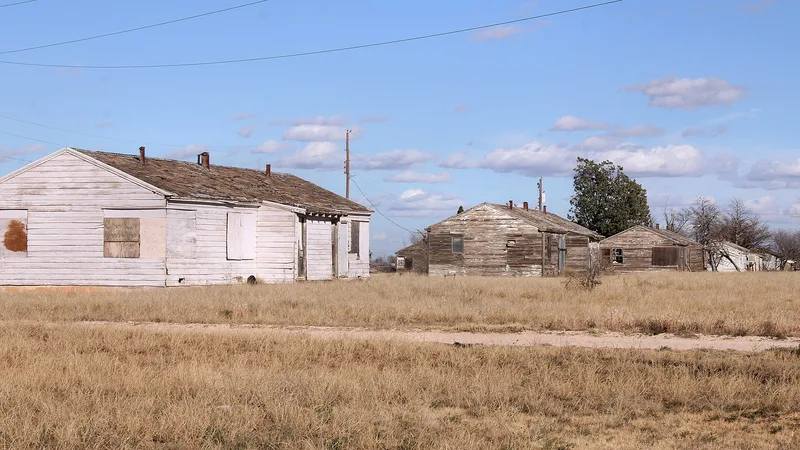
Los Ybañez, southeast of Lamesa in Dawson County, Texas, began as a federally planned farm labor camp built by the Farm Security Administration in the 1940s. About 50 acres hold frame buildings arranged around an oval road: a community center, gate house, manager's house, 25 single-family farm labor houses, and 25 quadruplex shelters for migrant families. Of the original buildings, 43 survive, and 32 are counted as contributing. The camp was far better than typical migrant housing of its time, with its own water and fire protection, gas and electric service, and indoor plumbing in every shelter. Its story also covers wartime labor shortages, the bracero program, and local resistance to federal involvement in farm labor. After World War II the government turned the camp over to a local nonprofit group. Many buildings have since been altered, with enclosed porches and reconfigured windows, but the plan and character of the camp remain recognizable.
Machine-generated summary. This summary was generated by a language model from the official nomination document and has not been reviewed line by line by an editor. It may contain errors. Check the source document before relying on any detail. Source: nomination document (PDF) · catalog entry. Generated October 2026 (model claude-sonnet-5-5, prompt v1.0-2026-10-29).
| Styles | No style |
|---|---|
| Areas of significance | Community Planning and Development, Agriculture, Hispanic, Social History |
| Acreage | 50 |
| Boundary source | NPS cultural-resource GIS polygon |
| Full listing page | Lamesa Farm Workers Community Historic District (property record) |
What listing means for this property
This is a historic district. Buildings within its boundary are either contributing (they add to the district's significance) or non-contributing. Owners of contributing income-producing buildings can claim the 20% federal rehabilitation tax credit; homeowners should look at state credits. National Register districts impose no design review by themselves; a local historic district ordinance, if one exists, does (the difference explained).
General information, not legal or tax advice. Rules change; confirm with your State Historic Preservation Office or a qualified adviser.