Gulf Oil Distribution Facility

The National Park Service has not published a boundary polygon for this district; the map shows the listed properties inside it and the district's reference point.
Why it's listed
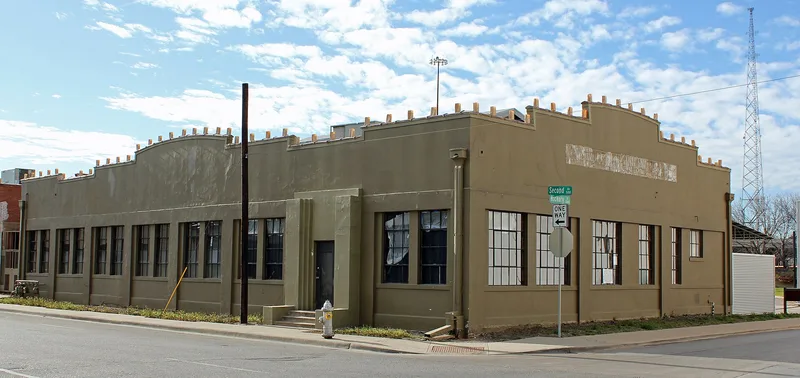
Six red brick and reinforced concrete buildings surround a central yard at 501 Second Avenue in Dallas. Built in 1921 as a Gulf Oil sales center and warehouse, the complex sits beside railroad tracks, where oil and gas were pumped from rail cars into storage tanks, then into trucks or barrels for regional distribution. The tanks and a seventh building have since been removed. The surviving buildings share low stepped parapets with terra cotta coping, exposed concrete framing and steel windows. Building B, the largest, has two stories and retains a painted Gulf Oil sign. Other buildings housed garages, repair shops, a print shop and a cooper shop for barrels. Gulf Oil used the site until the late 1950s, after which a forklift repair company occupied it until the mid-1980s. Later uses have included theater, offices and event space. The district was listed for its link to the growth of the oil industry in Dallas in the early twentieth century.
Machine-generated summary. This summary was generated by a language model from the official nomination document and has not been reviewed line by line by an editor. It may contain errors. Check the source document before relying on any detail. Source: nomination document (PDF) · catalog entry. Generated October 2026 (model claude-sonnet-5-5, prompt v1.0-2026-10-29).
| Styles | Late 19th and Early 20th Century American Movements: Commercial Style |
|---|---|
| Areas of significance | Industry |
| Acreage | 0.9 |
| Boundary source | not published |
| Full listing page | Gulf Oil Distribution Facility (property record) |
What listing means for this property
This is a historic district. Buildings within its boundary are either contributing (they add to the district's significance) or non-contributing. Owners of contributing income-producing buildings can claim the 20% federal rehabilitation tax credit; homeowners should look at state credits. National Register districts impose no design review by themselves; a local historic district ordinance, if one exists, does (the difference explained).
General information, not legal or tax advice. Rules change; confirm with your State Historic Preservation Office or a qualified adviser.