Fort Travis

Why it's listed
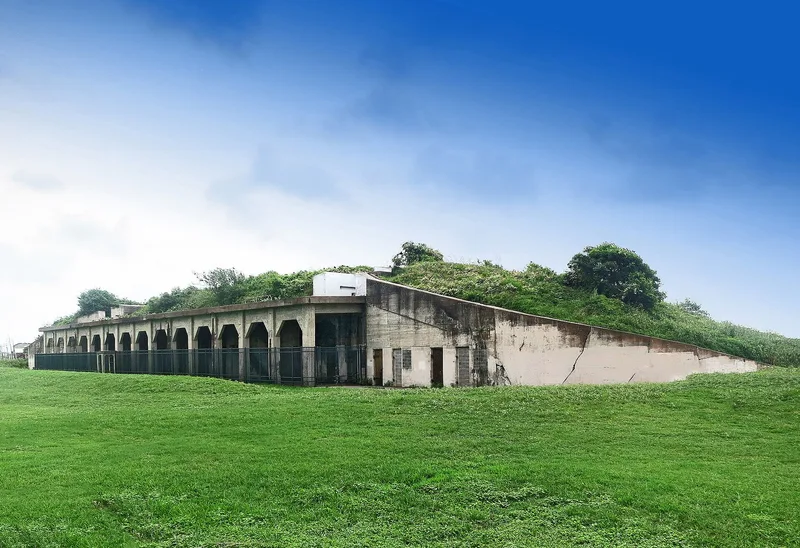
Fort Travis occupies 70 acres at the southern end of the Bolivar Peninsula, facing the entrance to Galveston Bay. The federal government bought the site in 1898, and the fort grew over the following decades into the most complete group of coastal artillery batteries on the Texas Gulf Coast. Four batteries survive. Davis and Ernst date from 1898, Kimble from 1925, and Battery 236 from 1943. Each reflects the defensive thinking of its time, moving from exposed concrete emplacements with disappearing guns to batteries covered in earthworks for protection against ships and aircraft. After the 1900 hurricane, the whole fort was raised about 17 feet and a seawall was built, which partly buried the earliest batteries. Other surviving features include an anti-aircraft gun emplacement, a forward observation station, and a keeper's house, while most barracks and support buildings are gone. Condition varies from badly deteriorated to very good. The grounds now serve as a public seashore park.
Machine-generated summary. This summary was generated by a language model from the official nomination document and has not been reviewed line by line by an editor. It may contain errors. Check the source document before relying on any detail. Source: nomination document (PDF) · catalog entry. Generated October 2026 (model claude-sonnet-5-5, prompt v1.0-2026-10-29).
| Styles | No style |
|---|---|
| Areas of significance | Military, Engineering |
| Acreage | 70 |
| Boundary source | NPS cultural-resource GIS polygon |
| Full listing page | Fort Travis (property record) |
What listing means for this property
This is a historic district. Buildings within its boundary are either contributing (they add to the district's significance) or non-contributing. Owners of contributing income-producing buildings can claim the 20% federal rehabilitation tax credit; homeowners should look at state credits. National Register districts impose no design review by themselves; a local historic district ordinance, if one exists, does (the difference explained).
General information, not legal or tax advice. Rules change; confirm with your State Historic Preservation Office or a qualified adviser.