Depot Square Historic District

Why it's listed
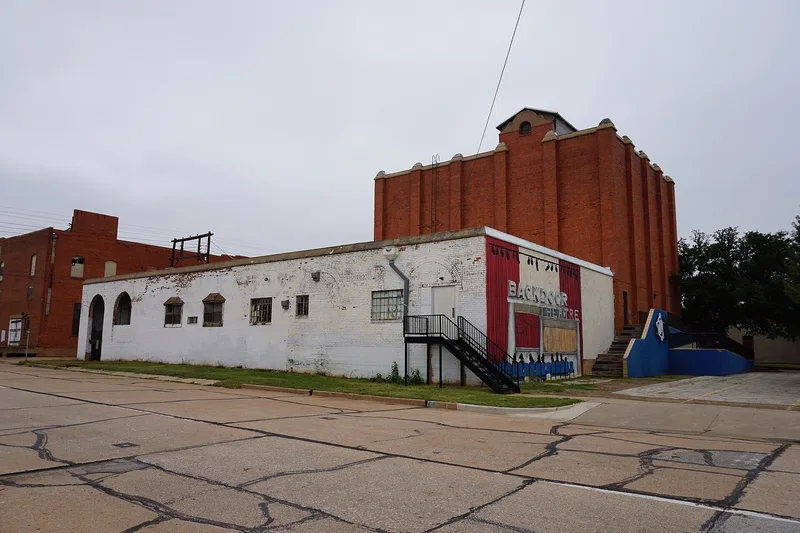
Depot Square is a railroad-side commercial district in the far northeast corner of downtown Wichita Falls, Texas. It covers parts of seven blocks next to the Ft. Worth & Denver and Katy tracks. Most of its buildings went up between 1885 and 1925 and are one- and two-story brick commercial blocks built to the sidewalk line, with ornament mostly limited to parapets. A few carry more elaborate detailing, including the Holt Hotel, the Kemp Wholesale building and the Route Building. The oldest brick building dates to 1885. Uses over time included livery stables, saloons, hotels, groceries, wholesale houses, garages, an ice factory and oil-field supply companies, reflecting the settlement, railroad and oil boom periods. Thirty-one of the forty buildings contribute to the district's character. It was recognized for its role in the city's commerce and community development between 1885 and 1953, as the core railroad-related business area of a regional center. Today the buildings house shops, restaurants, a theater and apartments.
Machine-generated summary. This summary was generated by a language model from the official nomination document and has not been reviewed line by line by an editor. It may contain errors. Check the source document before relying on any detail. Source: nomination document (PDF) · catalog entry. Generated October 2026 (model claude-sonnet-5-5, prompt v1.0-2026-10-29).
| Period of significance | 1885-1953 |
|---|---|
| Styles | 1-part and 2-part commercial blocks; Commercial Style; Classical Revival, Italian Renaissance Revival, Romanesque Revival |
| Areas of significance | Community Planning and Development, Commerce |
| Acreage | 21.5 |
| Boundary source | NPS cultural-resource GIS polygon |
| Full listing page | Depot Square Historic District (property record) |
What listing means for this property
This is a historic district. Buildings within its boundary are either contributing (they add to the district's significance) or non-contributing. Owners of contributing income-producing buildings can claim the 20% federal rehabilitation tax credit; homeowners should look at state credits. National Register districts impose no design review by themselves; a local historic district ordinance, if one exists, does (the difference explained).
General information, not legal or tax advice. Rules change; confirm with your State Historic Preservation Office or a qualified adviser.