Clarksville Historic District

Why it's listed
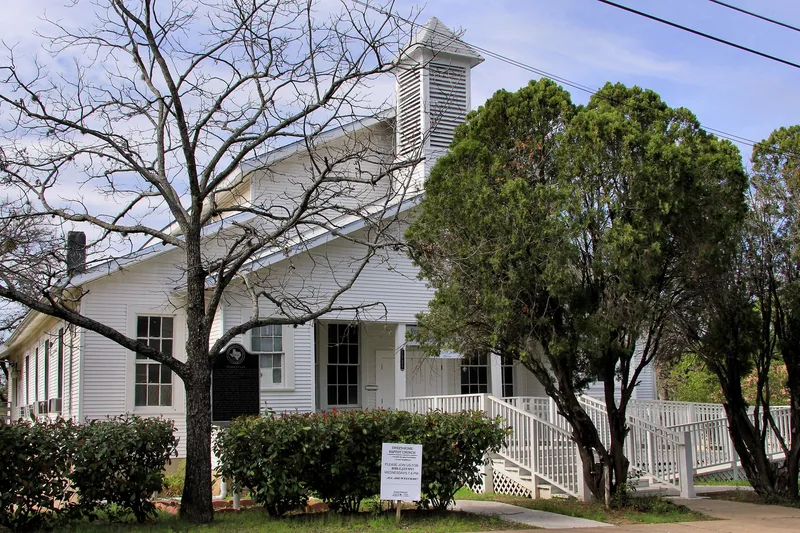
Clarksville is a small historic Black neighborhood in the hills of West Austin, founded in the 1870s after Emancipation. Charles Clark, a former slave, bought two acres in 1871, and the community took his name. Other freedmen followed, farming and later working as laborers and domestics. The district contains about 98 small, one-story frame or board-and-batten houses, most built in the late 19th and early 20th centuries, with Victorian details such as narrow windows, steep roofs and turned porch posts. Sweet Home Baptist Church, rebuilt in 1935 to a plan by builder W. S. Edmerson, serves as the community's focal point. The neighborhood has survived white suburban growth, the loss of over 60 homes to the Mo-Pac Expressway in 1971, a proposed crosstown expressway, and limited city services. It is considered one of the oldest continuous neighborhoods in Austin and one of only two surviving early Black enclaves. Housing and drainage conditions remained poor, and the city committed rehabilitation funds in 1976.
Machine-generated summary. This summary was generated by a language model from the official nomination document and has not been reviewed line by line by an editor. It may contain errors. Check the source document before relying on any detail. Source: nomination document (PDF) · catalog entry. Generated October 2026 (model claude-sonnet-5-5, prompt v1.0-2026-10-29).
| Styles | Modest vernacular frame and board-and-batten houses with Victorian influences and some early 20th century bungalow influences |
|---|---|
| Areas of significance | Black, Exploration/Settlement, Architecture, Social History |
| Acreage | 30.5 |
| Boundary source | NPS cultural-resource GIS polygon |
| Full listing page | Clarksville Historic District (property record) |
What listing means for this property
This is a historic district. Buildings within its boundary are either contributing (they add to the district's significance) or non-contributing. Owners of contributing income-producing buildings can claim the 20% federal rehabilitation tax credit; homeowners should look at state credits. National Register districts impose no design review by themselves; a local historic district ordinance, if one exists, does (the difference explained).
General information, not legal or tax advice. Rules change; confirm with your State Historic Preservation Office or a qualified adviser.