Cen-Tex Wool Mill Historic District

Why it's listed
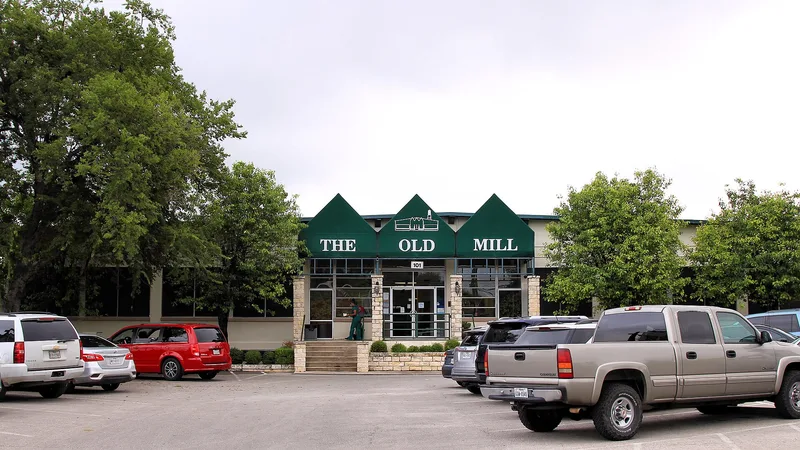
Two miles north of downtown San Marcos, a cluster of twelve industrial buildings and structures records the town's cotton and wool manufacturing past. The complex began in 1924-1929 as the Planters and Manufacturers Cotton Mill, whose main building was among the first in the area built entirely of reinforced concrete and had an automatic sprinkler system. After years of temporary uses, it became the first commercial wool scouring plant in Texas in 1940, and a blanket mill, hat factory and wool warehouses followed. For most of its operating years it was the largest wool-scouring mill west of the Mississippi River, and it was also a leading source of raw lanolin. The utilitarian buildings use concrete, glazed brick and corrugated metal, and a 100-foot steel water tower and a working rail spur survive. Rehabilitated in the late 1980s, the buildings now serve as commercial lease space. Only one 1970s building is non-contributing. The district was listed for its role in local industry.
Machine-generated summary. This summary was generated by a language model from the official nomination document and has not been reviewed line by line by an editor. It may contain errors. Check the source document before relying on any detail. Source: nomination document (PDF) · catalog entry. Generated October 2026 (model claude-sonnet-5-5, prompt v1.0-2026-10-29).
| Period of significance | 1939-1955 |
|---|---|
| Styles | No style |
| Areas of significance | Industry |
| Acreage | 12.1 |
| Boundary source | NPS cultural-resource GIS polygon |
| Full listing page | Cen-Tex Wool Mill Historic District (property record) |
What listing means for this property
This is a historic district. Buildings within its boundary are either contributing (they add to the district's significance) or non-contributing. Owners of contributing income-producing buildings can claim the 20% federal rehabilitation tax credit; homeowners should look at state credits. National Register districts impose no design review by themselves; a local historic district ordinance, if one exists, does (the difference explained).
General information, not legal or tax advice. Rules change; confirm with your State Historic Preservation Office or a qualified adviser.