Blue Star Street Industrial Historic District
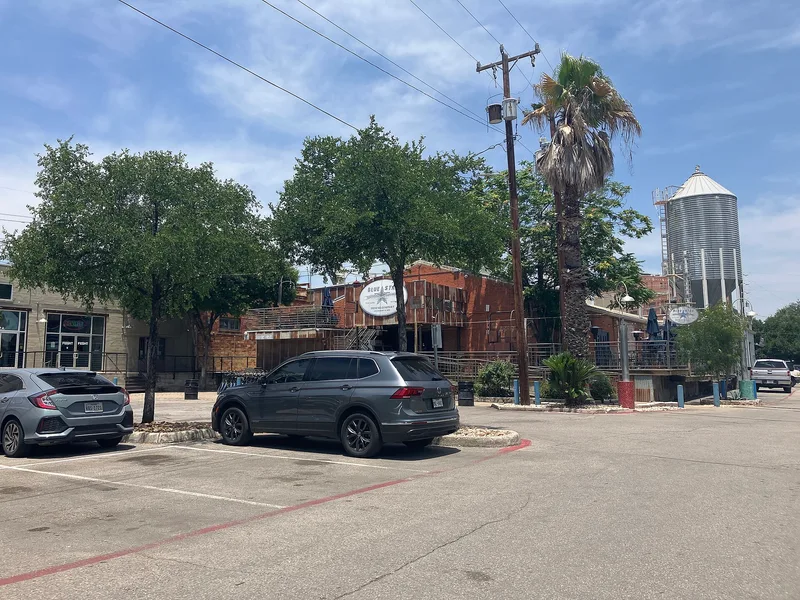

Why it's listed
Four warehouses built between 1917 and 1934 make up this industrial complex on South Alamo Street in San Antonio. The land belonged to the San Antonio Belt and Terminal Railway Company, which leased parcels to tenants who put up their own buildings beside the rail sidings. Early occupants included Pittsburgh Plate Glass, G.A. Hormel Company of Texas, Muegge-Jenull Warehouse Company, Texas Cold Storage and Blue Star Ice and Cold Storage. The buildings are plain one- and two-story structures of brick, clay tile, concrete and frame, with only modest detailing on the brick facades facing South Alamo. Loading docks for rail and trucks, steel clerestory windows, a gantry crane, cork-insulated cold storage rooms and warehouse doors survive. Active and abandoned rail spurs remain, and the site borders the San Antonio River. Little changed from the 1930s until a certified rehabilitation of one building converted it mainly to housing. The district is valued as an intact rail-served warehouse complex of the early twentieth century.
Machine-generated summary. This summary was generated by a language model from the official nomination document and has not been reviewed line by line by an editor. It may contain errors. Check the source document before relying on any detail. Source: nomination document (PDF) · catalog entry. Generated October 2026 (model claude-sonnet-5-5, prompt v1.0-2026-10-29).
| Styles | Other: Utilitarian warehouse |
|---|---|
| Areas of significance | Commerce, Transportation |
| Acreage | 6 |
| Boundary source | NPS cultural-resource GIS polygon |
| Full listing page | Blue Star Street Industrial Historic District (property record) |
What listing means for this property
This is a historic district. Buildings within its boundary are either contributing (they add to the district's significance) or non-contributing. Owners of contributing income-producing buildings can claim the 20% federal rehabilitation tax credit; homeowners should look at state credits. National Register districts impose no design review by themselves; a local historic district ordinance, if one exists, does (the difference explained).
General information, not legal or tax advice. Rules change; confirm with your State Historic Preservation Office or a qualified adviser.