Wyeth, N.C., House and Studio

Why it's listed
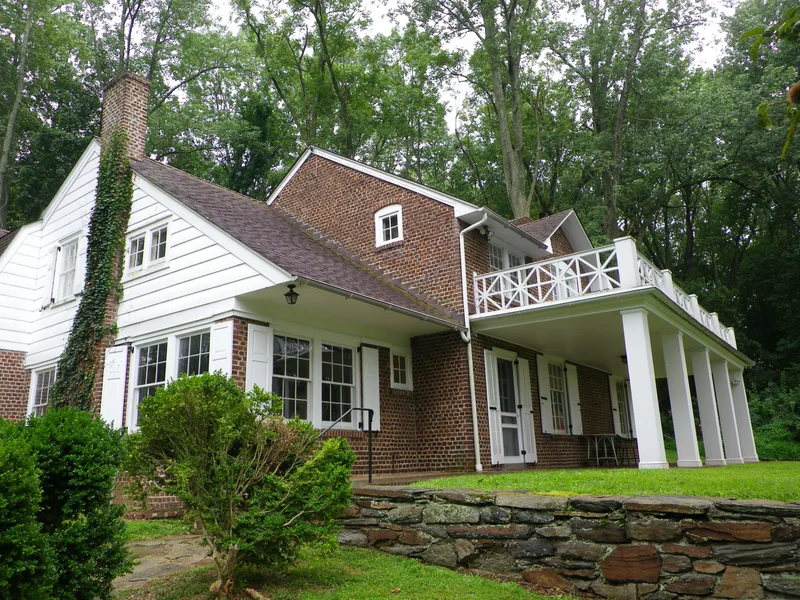
Set on a rise above the Brandywine Creek floodplain in Chadds Ford, the property comprises a two-story brick house begun in 1911, a one-story studio built the same year, a barn from 1912 and a pump house from 1923, all on about eighteen acres of lawn, orchard and woodland. Newell Convers Wyeth, the illustrator, bought the land in 1911 and had the house designed by Wilmington architect William Draper Brinkle, with a rear addition in 1926. The buildings share features such as clapboard siding, overhanging eaves and all-header brick, which Wyeth specified. The studio is where most of his commissioned work and personal painting was produced for more than three decades. The nomination regards the property as significant for its link to the Golden Age of Illustration, for the landscape that appears in Wyeth's paintings, and for its role in a family of artists spanning three generations.
Machine-generated summary. This summary was generated by a language model from the official nomination document and has not been reviewed line by line by an editor. It may contain errors. Check the source document before relying on any detail. Source: nomination document (PDF) · catalog entry. Generated October 2026 (model claude-haiku-5-5, prompt v1.1-2026-10-29).
| Period of significance | 1911-1945 |
|---|---|
| Styles | Colonial Revival |
| Areas of significance | Art |
| Acreage | 18 |
| Boundary source | NPS cultural-resource GIS polygon |
| Full listing page | Wyeth, N.C., House and Studio (property record) |
What listing means for this property
This is a historic district. Buildings within its boundary are either contributing (they add to the district's significance) or non-contributing. Owners of contributing income-producing buildings can claim the 20% federal rehabilitation tax credit; homeowners should look at state credits. National Register districts impose no design review by themselves; a local historic district ordinance, if one exists, does (the difference explained).
General information, not legal or tax advice. Rules change; confirm with your State Historic Preservation Office or a qualified adviser.