Wrightsville Historic District

Why it's listed
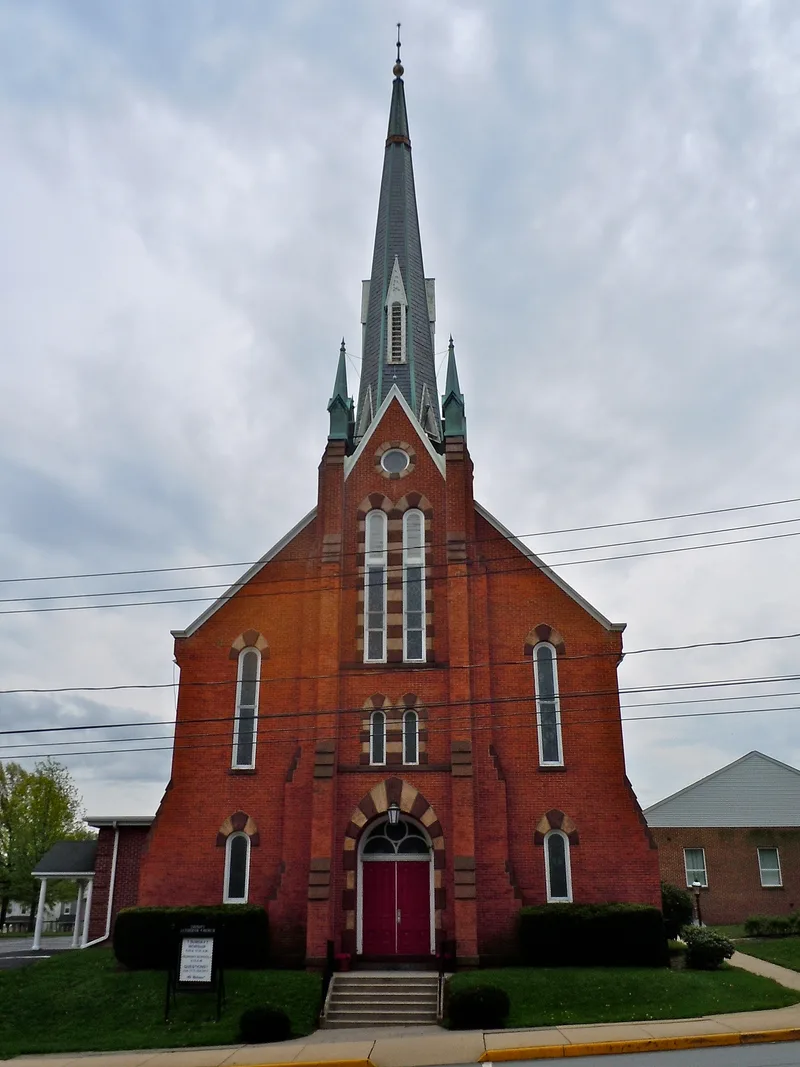
Wrightsville sits on a limestone valley above the Susquehanna River, laid out as two villages in 1811 to 1813 and incorporated as a borough in 1834. Its residential core is made up largely of two-and-a-half-storey frame workers' houses built for foundry, sawmill, canal, railroad, limekiln and quarry employees, many with rear shed-roofed extensions and central chimneys. Along Front, Hellam and Locust Streets stand larger brick and stone houses, including Georgian and Federal townhouses and Italianate examples with bracketed cornices and corbelled window hoods. The waterfront industrial area developed after the Susquehanna and Tidewater Canal and the York and Wrightsville Railroad opened in 1840, and lumber, metals and limeburning were its early mainstays. In June 1863 a Pennsylvania Militia unit skirmished with Confederate troops here and burned the bridge, making Wrightsville the farthest eastern point the Confederates reached during the war.
Machine-generated summary. This summary was generated by a language model from the official nomination document and has not been reviewed line by line by an editor. It may contain errors. Check the source document before relying on any detail. Source: nomination document (PDF) · catalog entry. Generated October 2026 (model claude-haiku-5-5, prompt v1.1-2026-10-29).
| Period of significance | 1790-1920 |
|---|---|
| Styles | Georgian/Federal, Greek Revival, Italianate, Mansard, Shingle Style/Queen Anne, vernacular workers' housing |
| Areas of significance | Industry, Military, Transportation, Architecture |
| Acreage | 129.5 |
| Boundary source | NPS cultural-resource GIS polygon |
| Full listing page | Wrightsville Historic District (property record) |
What listing means for this property
This is a historic district. Buildings within its boundary are either contributing (they add to the district's significance) or non-contributing. Owners of contributing income-producing buildings can claim the 20% federal rehabilitation tax credit; homeowners should look at state credits. National Register districts impose no design review by themselves; a local historic district ordinance, if one exists, does (the difference explained).
General information, not legal or tax advice. Rules change; confirm with your State Historic Preservation Office or a qualified adviser.