Waverly Historic District

Why it's listed
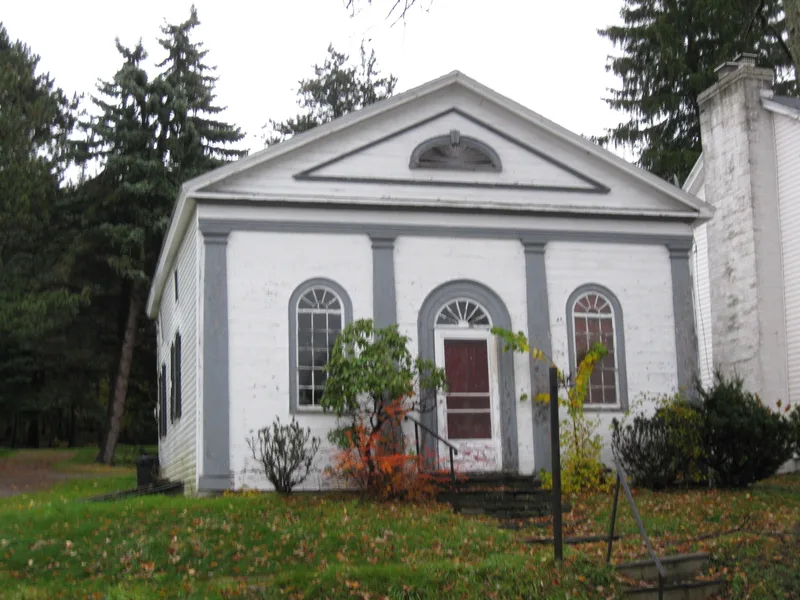
Waverly is a village of modestly scaled, mostly two-story wood houses in Abington Township, about ten miles north of Scranton, built from the 1820s through the 1930s. Its earliest surviving house is the 1828 Greek Revival home of physician Andrew Phelps Bedford on Abington Road, and the 1830 Federal-style schoolhouse on the same road is the oldest school building in the district. Greek Revival design is the most common style, with white clapboard houses, temple-form plans and side-passage entries. The village was shaped by the Philadelphia and Great Bend Turnpike, completed in 1824, and by churches, academies and fraternal lodges established from the early nineteenth century. Waverly also has a documented connection to the Underground Railroad, and African-American families who settled along Carbondale Road after the 1850s formed a congregation whose church was built in 1854. The district's buildings and village layout remain largely intact from the period of significance, which is why the nomination treats the whole village as a unified architectural ensemble.
Machine-generated summary. This summary was generated by a language model from the official nomination document and has not been reviewed line by line by an editor. It may contain errors. Check the source document before relying on any detail. Source: nomination document (PDF) · catalog entry. Generated October 2026 (model claude-haiku-5-5, prompt v1.1-2026-10-29).
| Period of significance | 1828-c. 1940 |
|---|---|
| Styles | Greek Revival, Federal, Colonial Revival (including Dutch Colonial Revival), Bungalow/Craftsman, American Foursquare, Romanesque Revival, Gothic Revival, Chateauesque, Italianate, Eastlake, Queen Anne |
| Areas of significance | Architecture |
| Acreage | 77 |
| Boundary source | NPS cultural-resource GIS polygon |
| Full listing page | Waverly Historic District (property record) |
What listing means for this property
This is a historic district. Buildings within its boundary are either contributing (they add to the district's significance) or non-contributing. Owners of contributing income-producing buildings can claim the 20% federal rehabilitation tax credit; homeowners should look at state credits. National Register districts impose no design review by themselves; a local historic district ordinance, if one exists, does (the difference explained).
General information, not legal or tax advice. Rules change; confirm with your State Historic Preservation Office or a qualified adviser.