Thome, James, Farm

Why it's listed
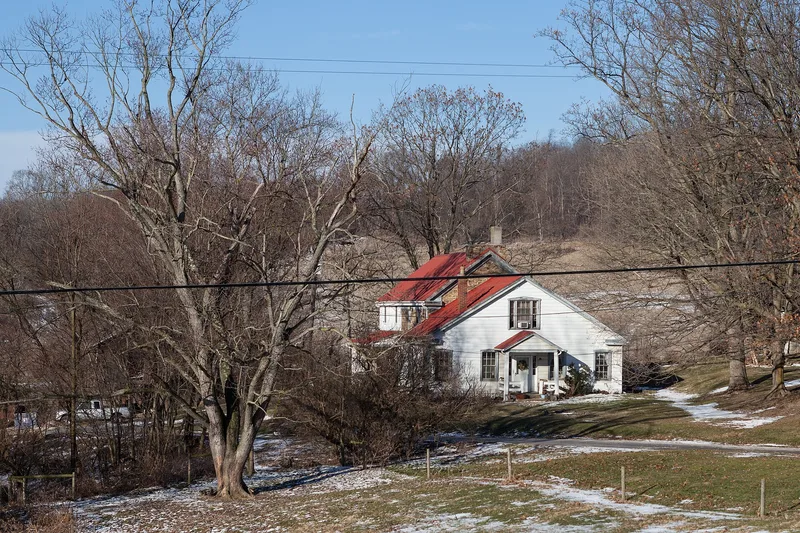
Located in North Strabane Township, the Thome Farm is a 190-acre property on Linnwood Road that preserves a grouping of farm buildings spanning nearly 150 years. The centre of the complex is a stone house begun around 1810, with two-bay, two-and-a-half-storey walls of coursed fieldstone reinforced with larger corner stones. An 1870s frame wing in Greek Revival style, with five bays and sidelights around its entrance, was added to the east, and a 1950s wing was built to the west. The farm includes a bank barn with a log substructure, a smokehouse, a silo, a corn crib, a tractor shed, a chicken coop and two ponds. Its significance lies in its illustration of how the county's farms were planned, enlarged and adapted, from subsistence farming through sheep raising to dairy production. Few surviving farms in the township retain both their stone houses and their outbuildings and fields.
Machine-generated summary. This summary was generated by a language model from the official nomination document and has not been reviewed line by line by an editor. It may contain errors. Check the source document before relying on any detail. Source: nomination document (PDF) · catalog entry. Generated October 2026 (model claude-haiku-5-5, prompt v1.1-2026-10-29).
| Period of significance | 1800-1947 |
|---|---|
| Styles | Georgian; Greek Revival |
| Areas of significance | Agriculture, Architecture |
| Acreage | 190 |
| Boundary source | NPS cultural-resource GIS polygon |
| Full listing page | Thome, James, Farm (property record) |
What listing means for this property
This is a historic district. Buildings within its boundary are either contributing (they add to the district's significance) or non-contributing. Owners of contributing income-producing buildings can claim the 20% federal rehabilitation tax credit; homeowners should look at state credits. National Register districts impose no design review by themselves; a local historic district ordinance, if one exists, does (the difference explained).
General information, not legal or tax advice. Rules change; confirm with your State Historic Preservation Office or a qualified adviser.