Star Junction Historic District

Why it's listed
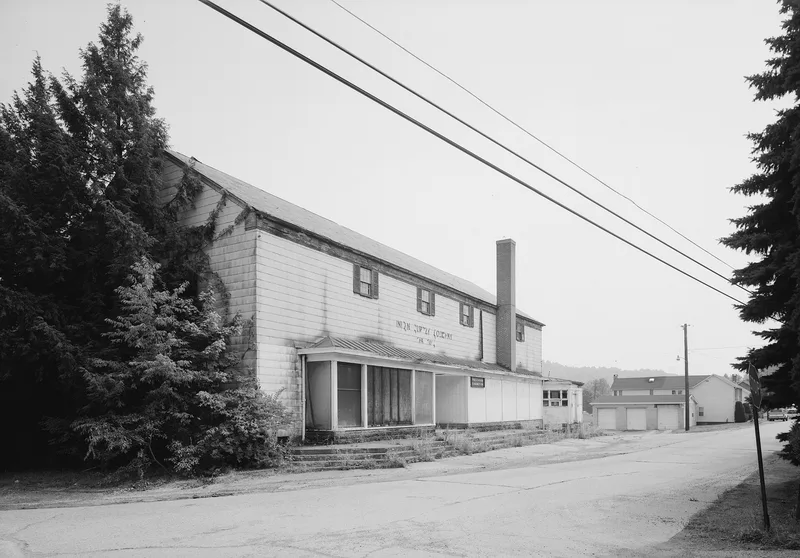
Star Junction is a company coal mining and coke town in Perry Township, Fayette County, built mainly between 1892 and 1918 by the Washington Coal & Coke Company, which was controlled by the Cochran family. Its streets are unnamed and its houses are numbered, with neighborhoods known as White Row, Turkey Knob and New Town. Most of its workers' housing is two-story frame duplexes in straight rows, while the managers' houses on Tony Row and Church Street are larger single-family dwellings. The community had three mines and about 1,000 beehive coke ovens by the 1910s, making it one of the largest coke concentrations in western Pennsylvania. The nomination treats it as an unusually intact example of a company town, with its management neighborhood set along a major road. Its two churches, built in 1898 with company support, add to its interest. The mines operated until 1954, and the surviving housing stock preserves the planning of the community.
Machine-generated summary. This summary was generated by a language model from the official nomination document and has not been reviewed line by line by an editor. It may contain errors. Check the source document before relying on any detail. Source: nomination document (PDF) · catalog entry. Generated October 2026 (model claude-haiku-5-5, prompt v1.1-2026-10-29).
| Period of significance | 1892-1945 |
|---|---|
| Styles | other: late 19th century vernacular |
| Areas of significance | Architecture, Community Planning and Development, Industry |
| Acreage | 100 |
| Boundary source | NPS cultural-resource GIS polygon |
| Full listing page | Star Junction Historic District (property record) |
What listing means for this property
This is a historic district. Buildings within its boundary are either contributing (they add to the district's significance) or non-contributing. Owners of contributing income-producing buildings can claim the 20% federal rehabilitation tax credit; homeowners should look at state credits. National Register districts impose no design review by themselves; a local historic district ordinance, if one exists, does (the difference explained).
General information, not legal or tax advice. Rules change; confirm with your State Historic Preservation Office or a qualified adviser.