Spring Valley Historic District

Why it's listed
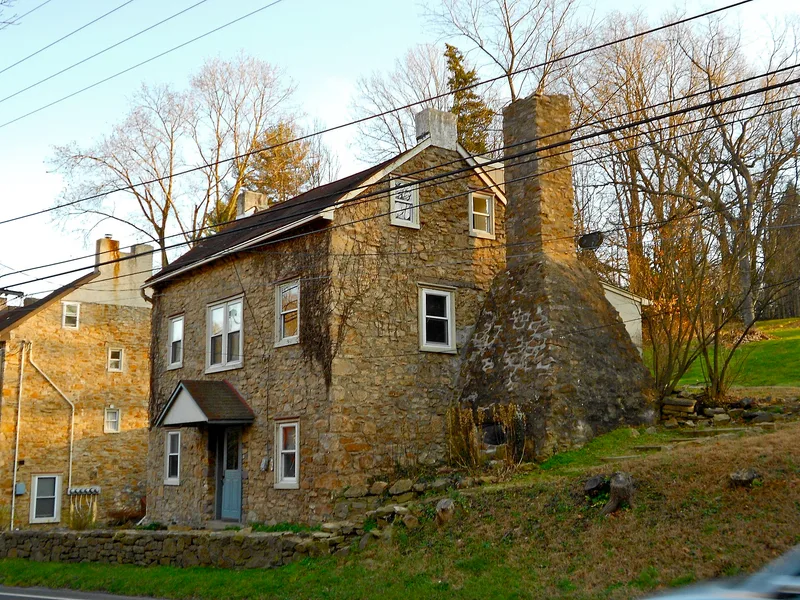
Spring Valley is a crossroads village in Buckingham Township, Bucks County, Pennsylvania, where Route 202 meets Mill Road beside Watson Creek. Its earliest building is the Spring Valley Mill, begun around 1740, a fieldstone mill with a wooden overshot wheel and surviving gears and hoists. Mill Road follows an eighteenth century road opened in 1756 and retains buildings oriented to original patent lines. The Buckingham and Doylestown road, opened in 1838 and turnpiked in 1848, drew a second wave of building between 1838 and 1871, producing shop-residences, inns and a store. The village is valued for its representation of a rural service center built around milling, with its mills, inns and craftsmen's houses forming a largely unaltered group. Most of the houses are modest, three-bay stuccoed stone dwellings in the vernacular Georgian and Federal manner. The district is significant for architecture and commerce.
Machine-generated summary. This summary was generated by a language model from the official nomination document and has not been reviewed line by line by an editor. It may contain errors. Check the source document before relying on any detail. Source: nomination document (PDF) · catalog entry. Generated October 2026 (model claude-haiku-5-5, prompt v1.1-2026-10-29).
| Period of significance | 1740-1920 |
|---|---|
| Styles | Vernacular forms of the Georgian and Federal styles |
| Areas of significance | Commerce, Architecture |
| Acreage | 40.5 |
| Boundary source | NPS cultural-resource GIS polygon |
| Full listing page | Spring Valley Historic District (property record) |
What listing means for this property
This is a historic district. Buildings within its boundary are either contributing (they add to the district's significance) or non-contributing. Owners of contributing income-producing buildings can claim the 20% federal rehabilitation tax credit; homeowners should look at state credits. National Register districts impose no design review by themselves; a local historic district ordinance, if one exists, does (the difference explained).
General information, not legal or tax advice. Rules change; confirm with your State Historic Preservation Office or a qualified adviser.