Shoaf Historic District

Why it's listed
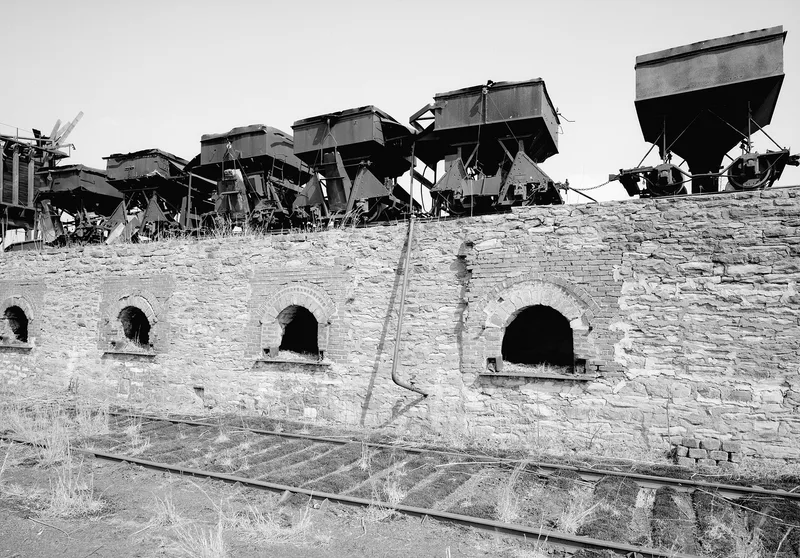
Shoaf is a coal mining and coke production site with an attached company town in Georges Township, Fayette County, about seven miles south of Uniontown. The H.C. Frick Coke Company built the beehive coke ovens, processing buildings and worker housing in 1904 to 1907, with the W.G. Wilkins Company designing the plant. More than 300 beehive ovens were constructed and used until 1972, supplying coke for the steel industry of western Pennsylvania. The district is regarded as significant for its ovens, tipples and surface buildings, which show the processing methods of the Connellsville coke region. The adjoining patch town of semi-detached, two-story worker houses, a company store and a church reflects the typical company control of housing and labor found in Frick communities. Changes over time, including mechanized extractors added in the 1910s and 1920s and losses to demolition and strip mining, are documented alongside the surviving fabric.
Machine-generated summary. This summary was generated by a language model from the official nomination document and has not been reviewed line by line by an editor. It may contain errors. Check the source document before relying on any detail. Source: nomination document (PDF) · catalog entry. Generated October 2026 (model claude-haiku-5-5, prompt v1.1-2026-10-29).
| Period of significance | 1904-43 |
|---|---|
| Areas of significance | Engineering, Community Planning and Development, Industry |
| Acreage | 38.5 |
| Boundary source | NPS cultural-resource GIS polygon |
| Full listing page | Shoaf Historic District (property record) |
What listing means for this property
This is a historic district. Buildings within its boundary are either contributing (they add to the district's significance) or non-contributing. Owners of contributing income-producing buildings can claim the 20% federal rehabilitation tax credit; homeowners should look at state credits. National Register districts impose no design review by themselves; a local historic district ordinance, if one exists, does (the difference explained).
General information, not legal or tax advice. Rules change; confirm with your State Historic Preservation Office or a qualified adviser.